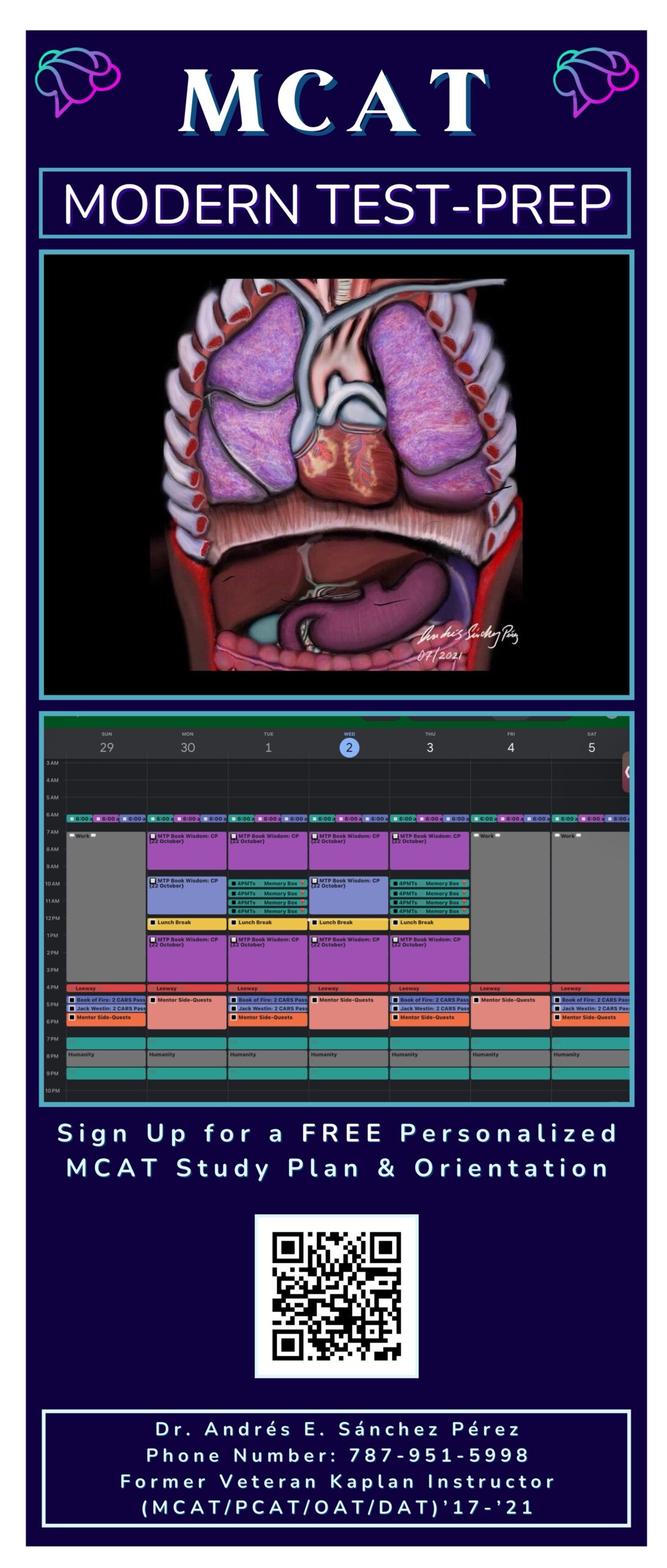
The Advantage of a Focused Winter Plan

For pre-dental students in Puerto Rico, the winter months offer a unique opportunity to gain a significant advantage in DAT preparation. The break from academic classes allows for a focused, intensive study period, free from the competing demands of university coursework. This concentrated effort is not just about building knowledge; it’s about leveraging this critical window to create a strategic plan that leads to an exceptional score. This guide outlines an 8-week intensive program designed to transform your winter break into a powerful launchpad for your dental school applications.
Week 1-2: Foundation Building: Intensive Content Review
The first two weeks of your winter prep should be dedicated to a deep dive into the foundational natural sciences. The goal is to build a robust knowledge base that will serve as the bedrock for all your practice and application work.
- Biology: Focus on high-yield topics. Review cell and molecular biology, genetics, and key physiological systems (e.g., nervous, endocrine, and digestive). Use a combination of textbook review and practice questions to solidify concepts.
- General Chemistry: Revisit fundamental principles of chemical reactions, stoichiometry, and acid-base chemistry. Pay close attention to topics like gas laws and chemical equilibrium, which are frequently tested.
- Organic Chemistry: Focus on reaction mechanisms and functional groups. Create summary sheets for common reactions, and practice predicting the products of various reactions.
- Key Strategy: Use active learning techniques exclusively. Don’t just re-read your notes. Instead, create flashcards for every key term and concept, and practice explaining complex ideas in your own words.
Week 3-4: PAT Mastery: Specialized Perceptual Ability Training
The Perceptual Ability Test (PAT) is a unique and challenging section of the DAT that requires specialized training. The middle two weeks of your intensive plan should be dedicated to mastering it.
- Angle Ranking: This section requires a keen eye. Use dedicated practice software and focus on recognizing small differences in angle sizes.
- Hole Punching: Practice visualizing the folds and cuts in 3D space. Start with simple problems and gradually increase complexity.
- Cube Counting: This skill is all about spatial reasoning. Practice counting exposed and hidden cubes in complex structures.
- Top-Front-End: Develop your ability to visualize a 3D object from 2D projections.
- TFE Strategy: Practice drawing your own 2D projections of simple 3D objects to build your visualization skills.
- Key Strategy: The PAT is all about repetition. Do a set number of problems from each sub-section every single day. This consistent practice builds the mental muscle required for test day.
Week 5-6: Practice Integration: Full-Length Tests and Targeted Practice
After building a strong content foundation and honing your PAT skills, it’s time to integrate these skills into a full-test environment.
- Full-Length Exams: Take at least two full-length practice exams during this two-week period. This is where you begin to build the mental and physical stamina needed for the 5-hour test.
- Detailed Review: The most important part of taking a practice exam is the review. Dedicate an entire day to reviewing your exam. Categorize every mistake as a content gap, a reasoning error, a careless error, or a timing issue. Use this analysis to inform your next study sessions.
- Targeted Practice: Based on your exam review, focus your study on your weakest areas. If you struggled with acid-base chemistry, do a dedicated set of 50 practice questions on that topic alone.
Week 7-8: Test Simulation & Refinement: Final Preparation
The final two weeks before your test date are for solidifying your knowledge and building confidence. This is not the time for new content; it’s the time for review and refinement.
- Full-Length Exams: Take two or three more full-length exams to fine-tune your pacing and build final endurance. Treat each one as a dress rehearsal for the actual test.
- Mistake Review: Revisit your “Error Log” and review all the mistakes you’ve made throughout your prep. Focus on the concepts that you’ve struggled with the most.
- Final Review: In the last few days, do a light review of high-yield flashcards and summary sheets. Avoid taking any new full-length exams in the last 48 hours to prevent burnout.
- Key Strategy: Focus on building a positive mindset. Visualize yourself doing well on the exam, and trust in the months of hard work you have put in.
Daily Study Structure: Optimal Scheduling
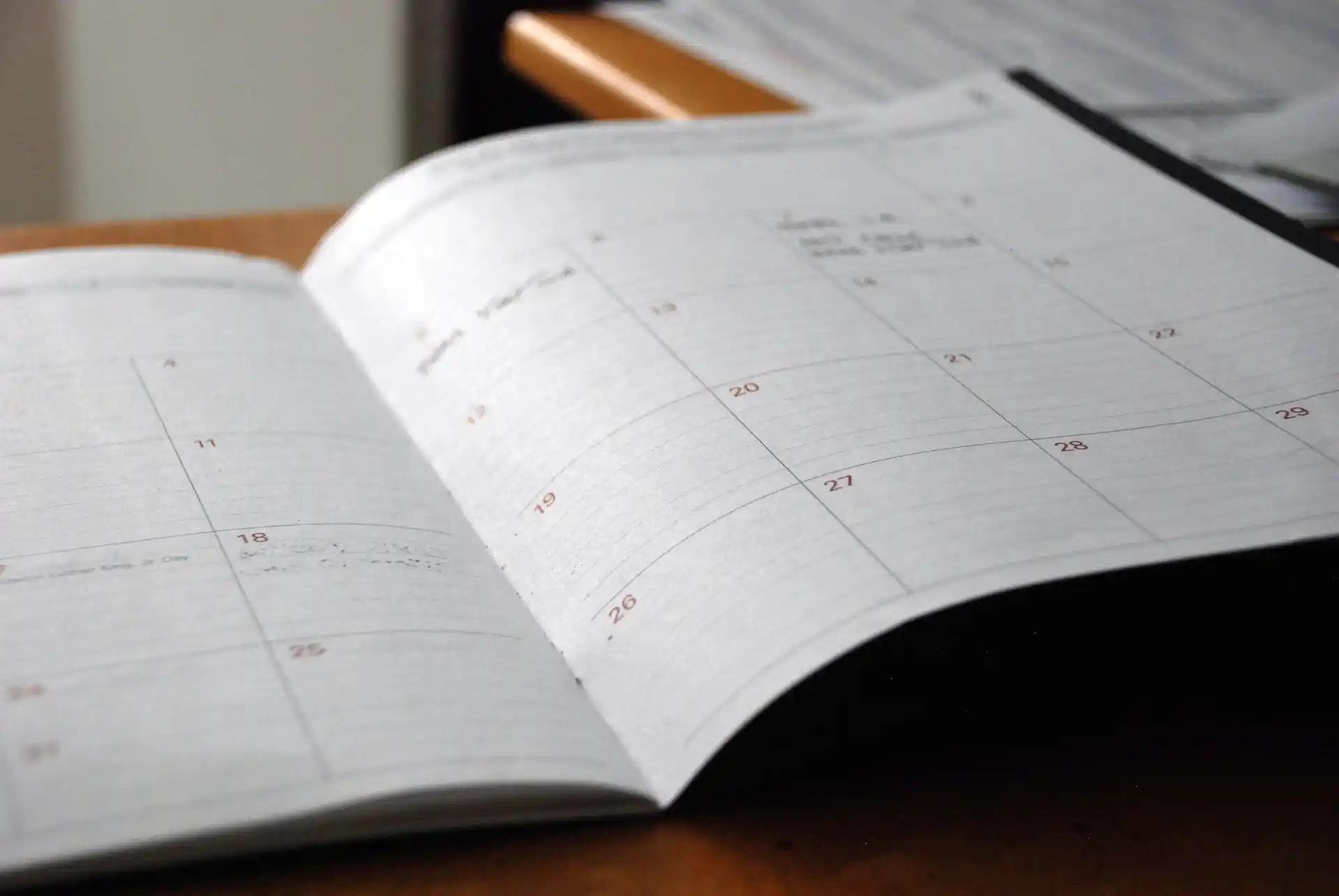
For this intensive program to be successful, you must have a structured daily routine.
- Morning (9:00 AM – 12:00 PM): Content Review or Practice Questions. This is when your mind is the most fresh.
- Lunch Break (12:00 PM – 1:00 PM): A real break. Step away from your desk. Eat a healthy meal.
- Afternoon (1:00 PM – 4:00 PM): Practice Questions or Review. Focus on applying the concepts you learned in the morning.
- Evening: Light review or rest. Do some flashcards or read a chapter, but avoid heavy lifting.
- Key Strategy: Build in time for physical activity and social interaction to prevent burnout. Your mental health is just as important as your academic preparation.
MTP Support System: How Our Resources Enhance Your Intensive Plan
This journey is a marathon, and you don’t have to run it alone. MTP’s resources are designed to provide the support you need to succeed.
- 1-on-1 Tutoring: Our mentors provide accountability and personalized guidance. They can help you create a custom study plan, review your practice exam performance, and provide a much-needed morale boost when things get tough.
- Progress Assessments: Beyond the score, our internal tools give you a detailed breakdown of your performance, allowing you to quickly identify areas for improvement.
- Community Support: Connect with other students in Puerto Rico who are on the same journey. Share tips, ask questions, and celebrate your successes together.