Top 5 Resources for USMLE Preparation in Puerto Rico: A Strategic Guide for Medical Students
For medical students in Puerto Rico, the journey to licensure in the United States is paved with the formidable challenge of the United States Medical Licensing Examination (USMLE). This series of exams—particularly the critical Step 1 and Step 2 CK—represents a significant hurdle, one that requires not just immense knowledge but also strategic preparation. The unique academic environment, the bilingual context, and the specific strengths of the island’s medical education system demand resources that are more than just generic; they must be precisely tailored. At Modern Test Prep, founded by Dr. Andrés Eugenio Sánchez Pérez, we understand these nuances intimately. We have curated and developed a suite of the most effective tools and strategies not just for any medical student, but specifically for the Puerto Rican medical student. Here are the top 5 resources that can make the difference between passing and excelling.
1. Personalized 1-on-1 Mentorship with Island-Specific Insight
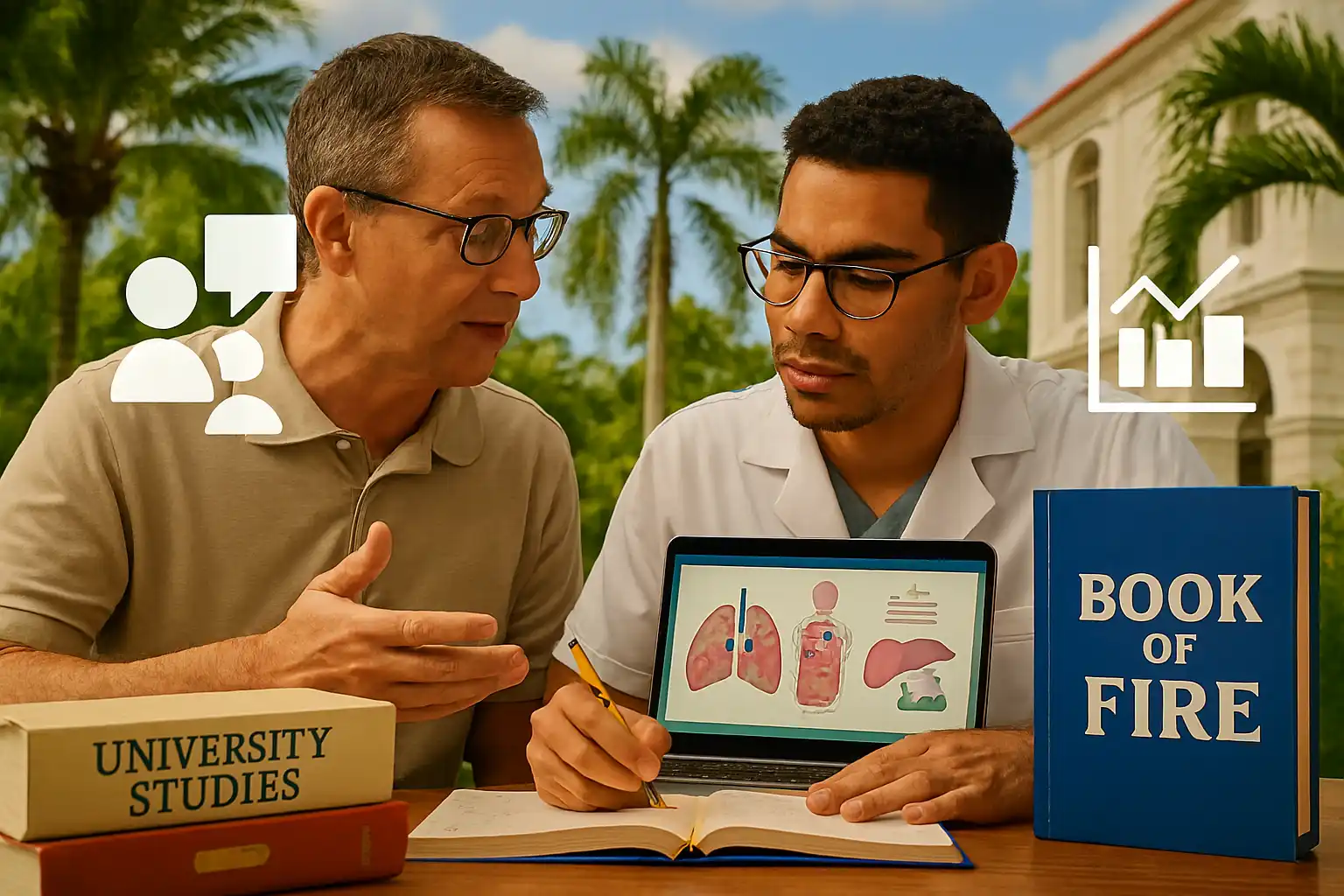
The single most impactful resource any student can have is a guide who has navigated the path before them. While comprehensive books and question banks are essential, they lack the ability to provide personalized feedback, strategic direction, and moral support. This is where our personalized 1-on-1 tutoring stands apart.
- Beyond Generic Tutoring: Our mentors are not just experts in USMLE content; they are professionals who possess a deep understanding of the unique challenges faced by medical students in Puerto Rico. They are familiar with the curriculum at institutions like the University of Puerto Rico Medical Sciences Campus and understand how to bridge any gaps between the local curriculum and the specific knowledge base tested on the USMLE.
- Tailored Strategy Sessions: A mentor works with you to develop a study plan that aligns with your medical school schedule, your learning style, and your strengths and weaknesses. They help you navigate the overwhelming amount of resources available, telling you not just what to study, but how and when to study it for maximum efficiency.
- Addressing the Bilingual Advantage: We train students to leverage their bilingual skills as a superpower. Mentors provide strategies for thinking through complex clinical vignettes and quickly parsing the dense, often convoluted language of USMLE questions, ensuring that language is a tool for success, not a barrier.
- Accountability and Support: The USMLE journey is a marathon that can be isolating and stressful. A dedicated mentor serves as an accountability partner and a source of encouragement, helping to maintain motivation, manage test anxiety, and build the resilience needed to succeed.
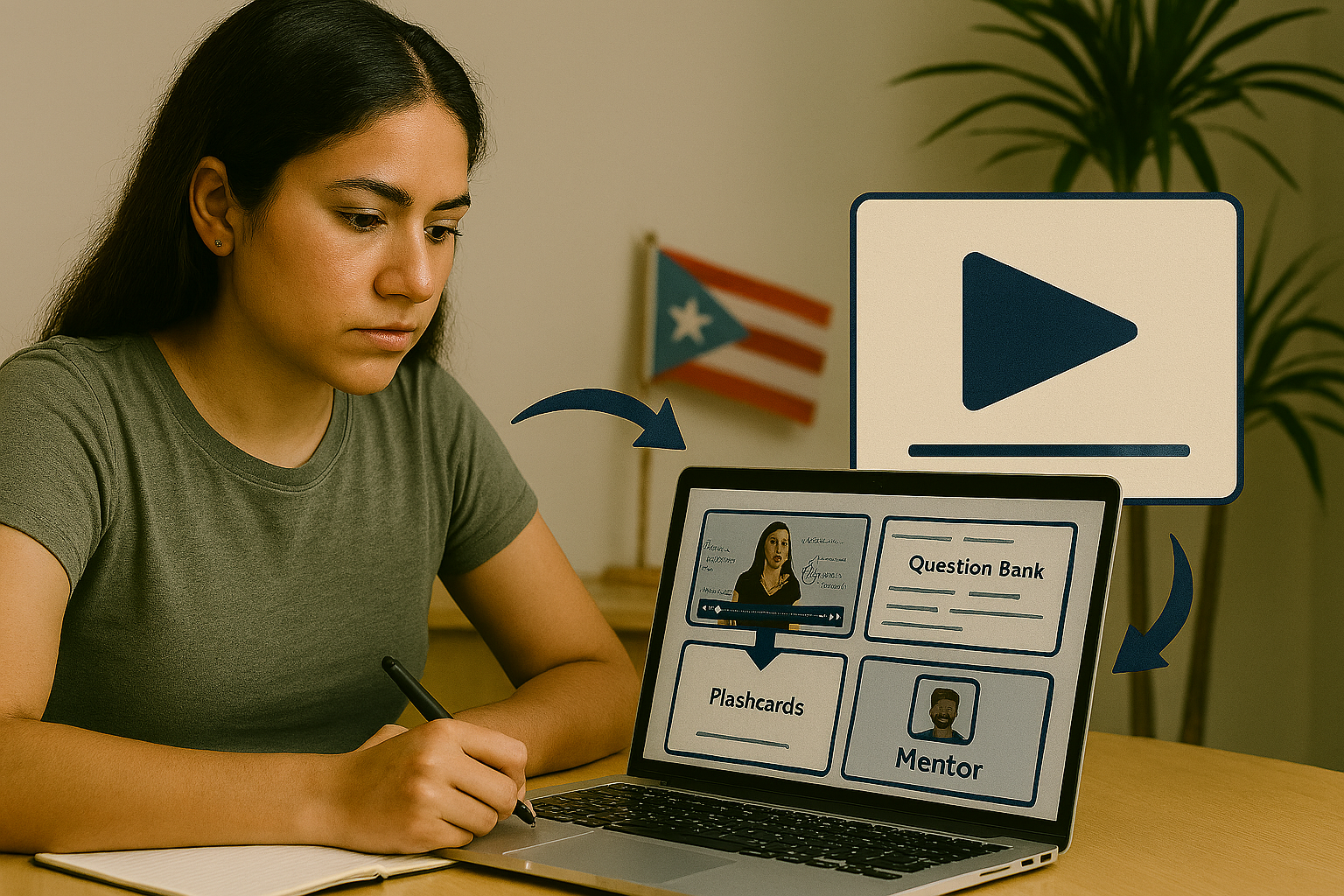
2. A Comprehensive, High-Yield Video Library Designed for Retention
Passive reading is one of the least effective ways to retain the vast amount of information required for the USMLE. Our second top resource is our extensive video library, which is specifically engineered to transform complex concepts into memorable, digestible lessons.
- Visual Learning for Complex Topics: It is one thing to read about the intricacies of the coagulation cascade or the neuroanatomy of the basal ganglia; it is another to see it animated and explained step-by-step. Our video library uses clear explanations, dynamic animations, and visual illustrations to create mental models that are far easier to recall during the high-pressure environment of the exam.
- Curation for Efficiency: The volume of video resources available online can be paralyzing. Our library is meticulously curated to cover only the highest-yield topics in the most efficient manner. This prevents students from wasting time on deep dives into low-yield material and ensures every minute of study time is impactful.
- On-Demand Accessibility: Recognizing the grueling and unpredictable schedule of a medical student, our video lessons are available 24/7. This allows students in Mayagüez, Ponce, or Bayamón to review pharmacology during a night shift or pathology during a break between rotations, turning moments of downtime into productive study sessions.
3. The “Book of Fire”: Mastering Integrated Science and Critical Analysis
The modern USMLE, especially Step 1, has evolved from a test of pure fact recall to an assessment of applied knowledge and critical reasoning. It demands the ability to integrate concepts from different disciplines to solve complex problems. Our proprietary resource, the “Book of Fire,” is specifically designed to train this exact skill set.
- CARS-Style Science Passages: Unlike standard question banks that often focus on discrete facts, the Book of Fire presents long-form, challenging science passages that mirror the style of the Critical Analysis and Reasoning Skills section but with USMLE-level science content. These passages force students to read, analyze, and apply information on the fly, just as they must do on the actual exam.
- Cross-Disciplinary Integration: A single passage might seamlessly integrate concepts from Biochemistry, Physiology, Pharmacology, and Pathology. This approach breaks down the artificial silos between subjects and trains students to think like a clinician, connecting underlying mechanisms to clinical presentations—a fundamental skill for both Step 1 and Step 2 CK.
- Foundation for Clinical Thinking: By wrestling with these integrated passages, students build a stronger, more interconnected knowledge framework. This makes subsequent study of clinical medicine and preparation for Step 2 CK significantly more effective and less about memorization and more about application.
4. Advanced Training in Data Interpretation and Experimental Design
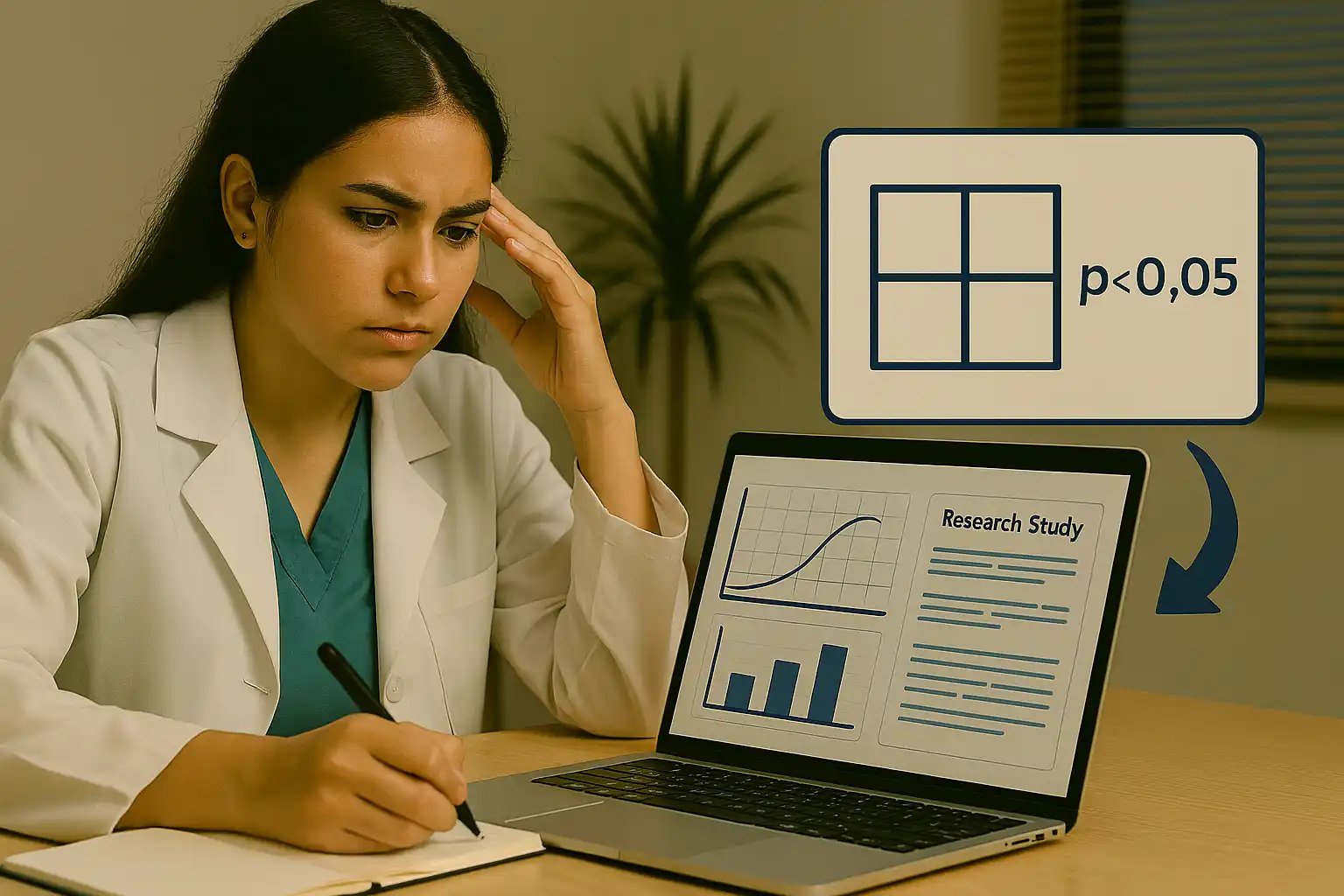
A significant portion of the USMLE is dedicated to assessing a student’s ability to be a critical consumer of medical science. This includes interpreting graphs, biostatistics data, and research study abstracts—areas that can be particularly challenging.
- Moving Beyond Formulas: Our resource goes beyond simply teaching the formulas for sensitivity or specificity. We focus on the meaning behind the data. Students learn how to evaluate the validity of a study, identify potential bias, understand the implications of p-values and confidence intervals, and apply research findings to a clinical scenario.
- Real-World Application: We utilize real-world examples and simulated research abstracts that students might encounter on the exam. This practical, application-based training ensures that students are not just memorizing statistical definitions but are prepared to answer the complex questions the USMLE will ask about them.
- Building Analytical Confidence: This skill is not only crucial for the USMLE but is a core competency for a future physician practicing evidence-based medicine. Mastering this area turns a traditionally weak subject for many students into a reliable source of points on exam day.
5. A Robust, Progress-Tracking Platform with Customized Practice Exams
The final indispensable resource is a system that provides clear, data-driven feedback on your readiness. Our online platform offers more than just access to materials; it offers a dashboard for your entire USMLE journey.
- Granular Performance Analytics: The platform tracks your performance across all resources—question banks, video quizzes, and practice exams—breaking down your strengths and weaknesses by discipline, system, and even specific competencies. This allows you and your mentor to identify precise knowledge gaps and allocate study time strategically.
- Customized Practice Exams: Instead of taking the same standardized practice tests as everyone else, our platform can generate customized exams focused on your personal areas of weakness. This targeted practice is exponentially more valuable for solidifying shaky knowledge than repeatedly testing on topics you already know.
- Simulating the Exam Environment: We provide full-length, timed practice exams that replicate the pressure and pacing of the actual USMLE. This is critical for building the mental and physical stamina required to maintain focus for an eight-hour testing session, helping to mitigate test-day anxiety through familiarity.