Medical School Success for Puerto Rican Students

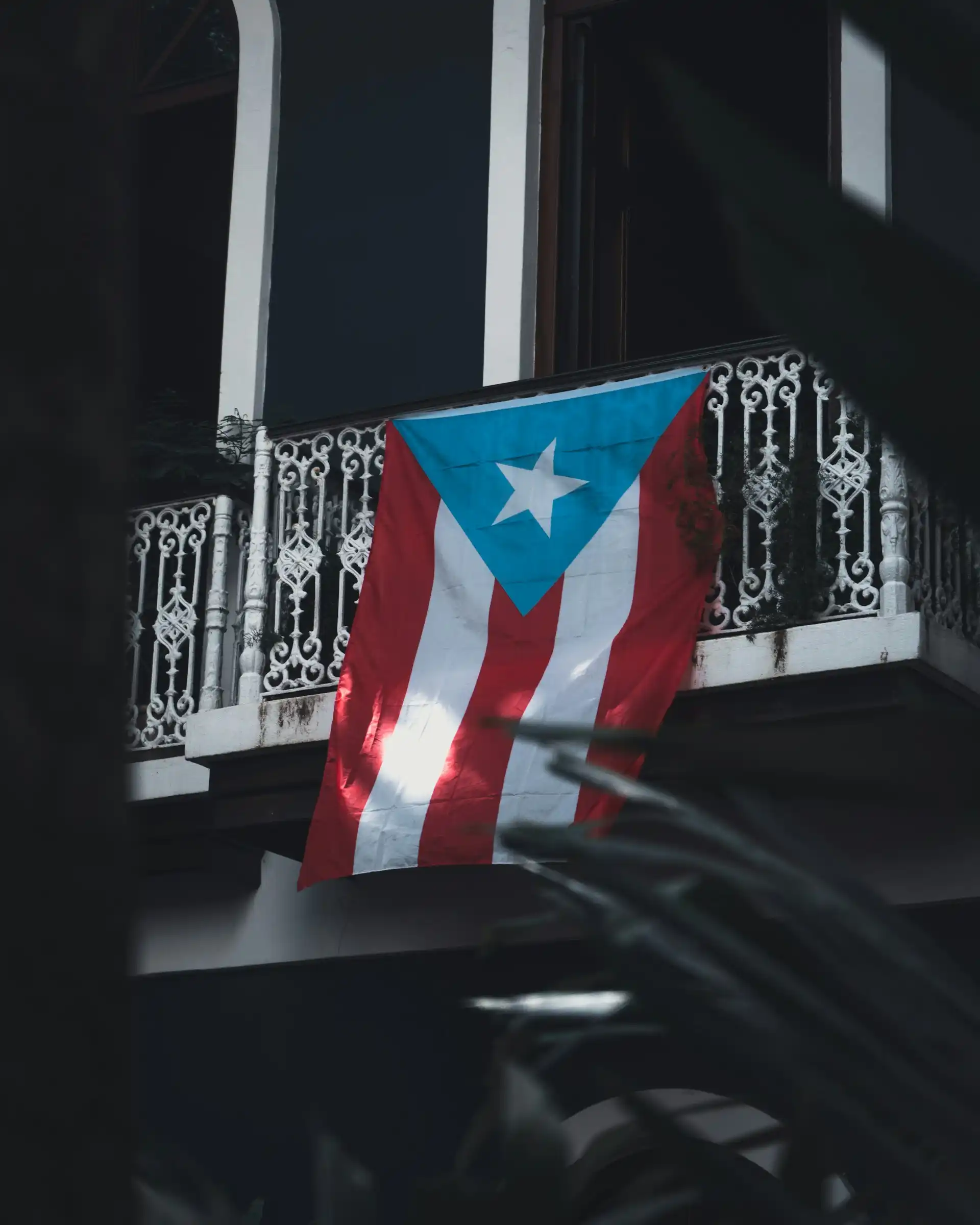
For Puerto Rican students embarking on the journey to become physicians, success in medical school is measured by more than just grades and exam scores. It is about evolving into a healer who can connect with, understand, and effectively treat patients from all walks of life. In this endeavor, cultural competence is not merely a soft skill—it is a fundamental clinical tool and a significant asset that you, as a student from Puerto Rico, inherently possess and must continue to develop.
Your background provides you with a unique lens through which to view medicine. It offers a deep, intuitive understanding of the Puerto Rican community, its values, and its specific health challenges. This article explores how cultural competence serves as a critical pillar for success in medical school and beyond. We will define what it truly means, how to leverage your cultural and linguistic skills, and how to transform your background into a powerful force for improving patient outcomes and bridging healthcare gaps.
Defining Cultural Competence in Healthcare
Cultural competence in healthcare is the ability of providers and organizations to effectively deliver health care services that meet the social, cultural, and linguistic needs of patients. It is a continuous journey of learning and self-reflection, not a final destination.
It goes beyond simple awareness of cultural differences. It involves:
- Knowledge: Understanding the cultural beliefs, values, traditions, and practices of different groups, including your own.
- Awareness: Recognizing your own cultural background and potential biases and how they might influence your interactions with patients.
- Skills: Integrating your knowledge and awareness into practical behaviors and communication techniques that build rapport and trust.
- Encounters: Actively seeking to engage with patients from diverse backgrounds to refine your understanding and skills.
For a medical student, this means being able to take a patient history that is sensitive to cultural norms, understand how a patient’s background might influence their perception of illness and treatment, and ultimately, provide care that is both medically sound and culturally respectful.
The Puerto Rican Cultural Perspective in Medicine
Your upbringing in Puerto Rico has equipped you with a specific cultural perspective that is highly valuable in medicine. The Puerto Rican cultural framework is often characterized by:
- Familiarismo: The emphasis on tight-knit family structures and the importance of including the family in healthcare decisions. The patient may not be an individual unit but part of a collective.
- Respeto: A deep-seated respect for authority figures, including doctors. This can mean patients may be hesitant to ask questions or challenge a diagnosis, preferring to show respect by complying quietly.
- Personalismo: The value of warm, friendly, and personal relationships over distant, transactional interactions. Patients may respond better to a doctor who shows genuine personal interest.
- Confianza: Trust is built through personal connection and empathy, not just professional credentials.
- Specific Health Beliefs: An understanding of common conditions like “ataque de nervios” or cultural interpretations of mental and physical health that may differ from a purely biomedical model.
Understanding these nuances from the inside gives you a profound advantage in connecting with Puerto Rican patients and acting as a cultural bridge for your colleagues.
Bridging Cultural Gaps in Patient Care
As a Puerto Rican medical student, you will often find yourself in a unique position to bridge cultural gaps, both for patients and within your medical team.
You can help interpret not just language, but meaning. You can explain to a attending physician why a patient’s family is so insistently present at the bedside, framing it not as a disruption but as a crucial source of support. You can gently encourage a patient to ask the questions they may feel are disrespectful to ask their superior. Your ability to navigate both the mainstream medical culture and the patient’s cultural world makes you an invaluable advocate and translator, ensuring that care is effective and misunderstandings are minimized.
Leveraging Bilingual Skills in Medical Practice
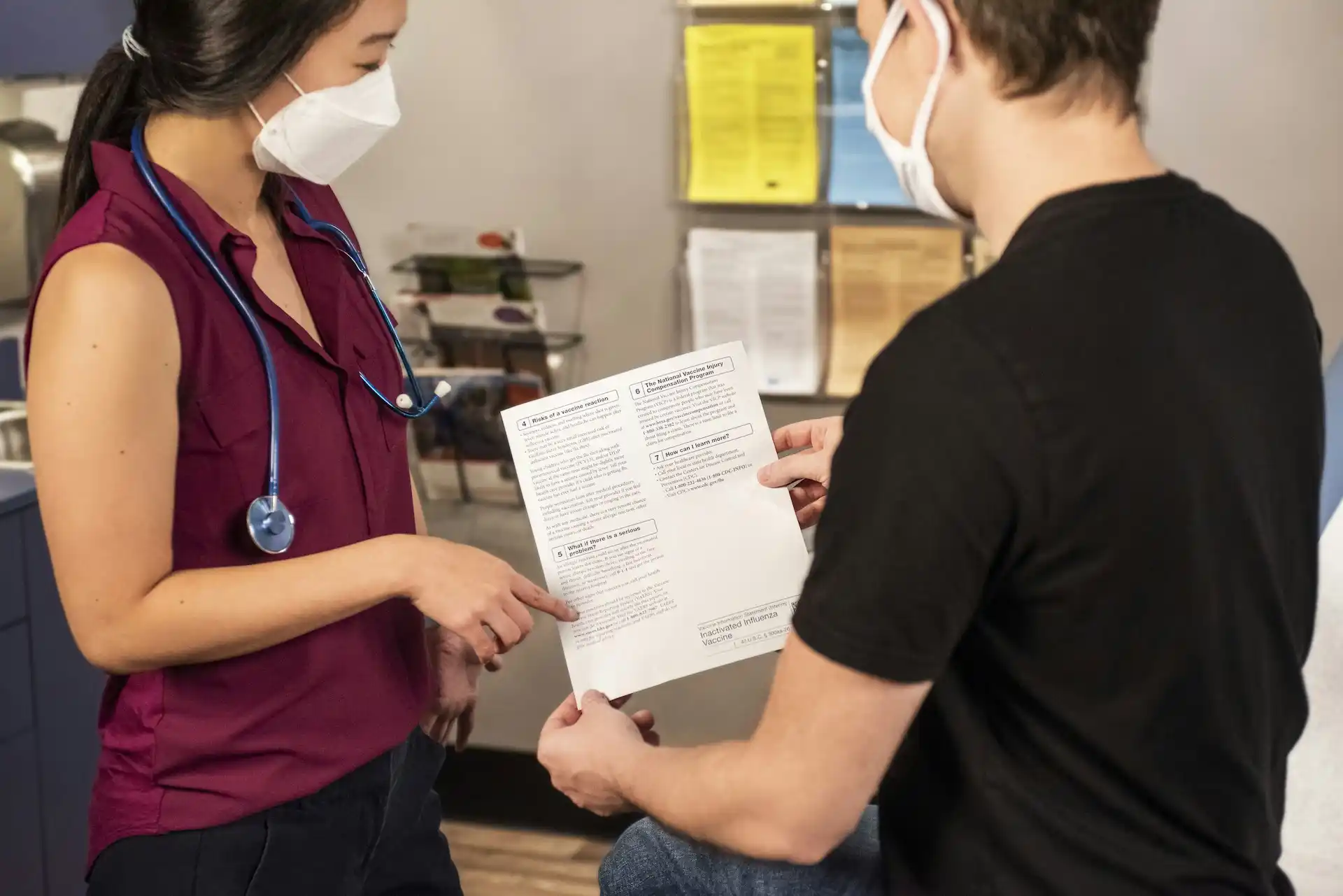
Your bilingualism is one of your most powerful and practical tools. Speaking Spanish fluently is not just about convenience; it is a critical patient safety issue.
- Accuracy: Taking a history directly in the patient’s native language eliminates the risk of errors through a translator or family member. Subtle details about pain, onset, and symptoms are often lost in translation.
- Rapport: Speaking to a patient in their first language builds immediate trust and comfort. It shows respect for their identity and makes them feel seen and heard in a vulnerable moment.
- Access: You will be able to provide care to a vast population of Spanish-speaking patients who often face significant barriers to accessing quality healthcare due to language differences.
Always list your Spanish fluency prominently on your CV and discuss it in your medical school interviews. It is a highly sought-after skill.
Cultural Considerations in Medical Education
Medical education is increasingly emphasizing cultural competence. You will likely encounter courses, workshops, and standardized patient scenarios designed to test these skills. Embrace them.
See these not as abstract exercises, but as opportunities to share your perspective. Your lived experience adds depth to classroom discussions on diversity, equity, and inclusion. You can provide real-world examples of the cultural concepts being taught, enriching the learning experience for your entire cohort.
Addressing Health Disparities in Puerto Rican Communities
Cultural competence is directly linked to health equity. Puerto Rican communities, both on the island and the mainland, face specific health disparities, including higher rates of diabetes, asthma, and hypertension.
Your understanding of the social determinants of health—such as economic factors, access to care, and environmental conditions—within these communities is crucial. It allows you to provide more holistic care. You can understand why a patient might struggle to afford medication or eat a specific diet, allowing you to work with them to create a feasible treatment plan rather than one that is doomed to fail due to cultural or socioeconomic irrelevance.
Building Trust with Diverse Patient Populations
Trust is the foundation of the doctor-patient relationship. Cultural competence is the fastest pathway to building it.
For patients from marginalized or minority backgrounds, encountering a healthcare professional who understands their culture can be a profound relief. Your ability to demonstrate respect for cultural norms, communicate effectively, and show genuine understanding immediately lowers barriers. This trust leads to better patient adherence to treatment plans, more honest communication about symptoms and concerns, and ultimately, better health outcomes.
Incorporating Cultural Humility in Medical Practice
An essential companion to cultural competence is cultural humility. This is a lifelong commitment to self-evaluation and critique, to redressing power imbalances, and to developing mutually beneficial partnerships with communities.
It means acknowledging that you cannot be an expert in every culture. Even within the Puerto Rican community, there is immense diversity. Approach each patient with curiosity and a desire to learn from them. Use phrases like, “Help me understand…” or “Tell me more about that.” Cultural humility ensures that your competence does not become a presumption or a stereotype.
Resources for Developing Cultural Competence
Your learning never stops. Continue to develop this skill through:
- Formal Training: Seek out electives, workshops, and certificates in cross-cultural medicine or health disparities.
- Literature: Read books and articles on the history and health challenges of Puerto Rican and other Latino communities.
- Community Engagement: Continue to volunteer and engage with diverse communities. Listen to their stories and experiences.
- Mentorship: Find mentors who exemplify culturally competent care and learn from their approach.
For the Puerto Rican medical student, cultural competence is far more than a box to check on a curriculum. It is the very heart of effective, compassionate, and equitable patient care. It is the skill that will allow you to excel in medical school, resonate during residency interviews, and ultimately, become the kind of physician who truly makes a difference in the lives of your patients. Embrace your background, commit to continuous learning, and use your unique perspective to become a leader in the medical field.