The New Year Reset: A Fresh Start for Your MCAT/DAT Journey
The start of a new year carries a unique and powerful energy. It’s a natural moment for reflection and a perfect opportunity to reset your MCAT or DAT preparation. Whether you’re just beginning your journey, or you’re deep into a study plan that’s not yielding the results you want, the New Year offers a clean slate. This is not about starting from scratch; it’s about re-strategizing with a clear mind and a renewed sense of purpose. This document will provide a comprehensive guide to help you harness the power of this fresh start and build a foundation for success in the year ahead.
Assessing Your Current Progress: An Honest Self-Evaluation

Before you can build a new plan, you must first understand the ground you’re standing on. An honest and objective assessment of your current study approach is the most critical first step. This isn’t about self-criticism; it’s about identifying patterns and gathering data to inform your next steps.
1. Analyze Your Data: Go back through your past practice exam scores and review your performance. Don’t just look at the overall score. Examine your scores for each section. Which subjects are consistently strong? Which ones are holding you back? Pay close attention to the specific sub-topics where you made the most mistakes. For example, you may have done well on general chemistry but struggled specifically with thermodynamics.
2. Evaluate Your Methods: Think about your daily study routine. Did you spend most of your time on passive learning, like re-reading textbooks and watching videos? Did you dedicate enough time to active recall through flashcards and practice questions? Be honest about what truly worked for your learning style and what felt like a waste of time.
3. Check Your Mindset: Beyond the data, how did you feel? Were you consistently motivated or did you find yourself procrastinating? Did you feel burned out or overwhelmed? Your mental and emotional state is a vital part of your preparation, and acknowledging these feelings is the first step toward addressing them.
The MTP Study Plan Reset Framework
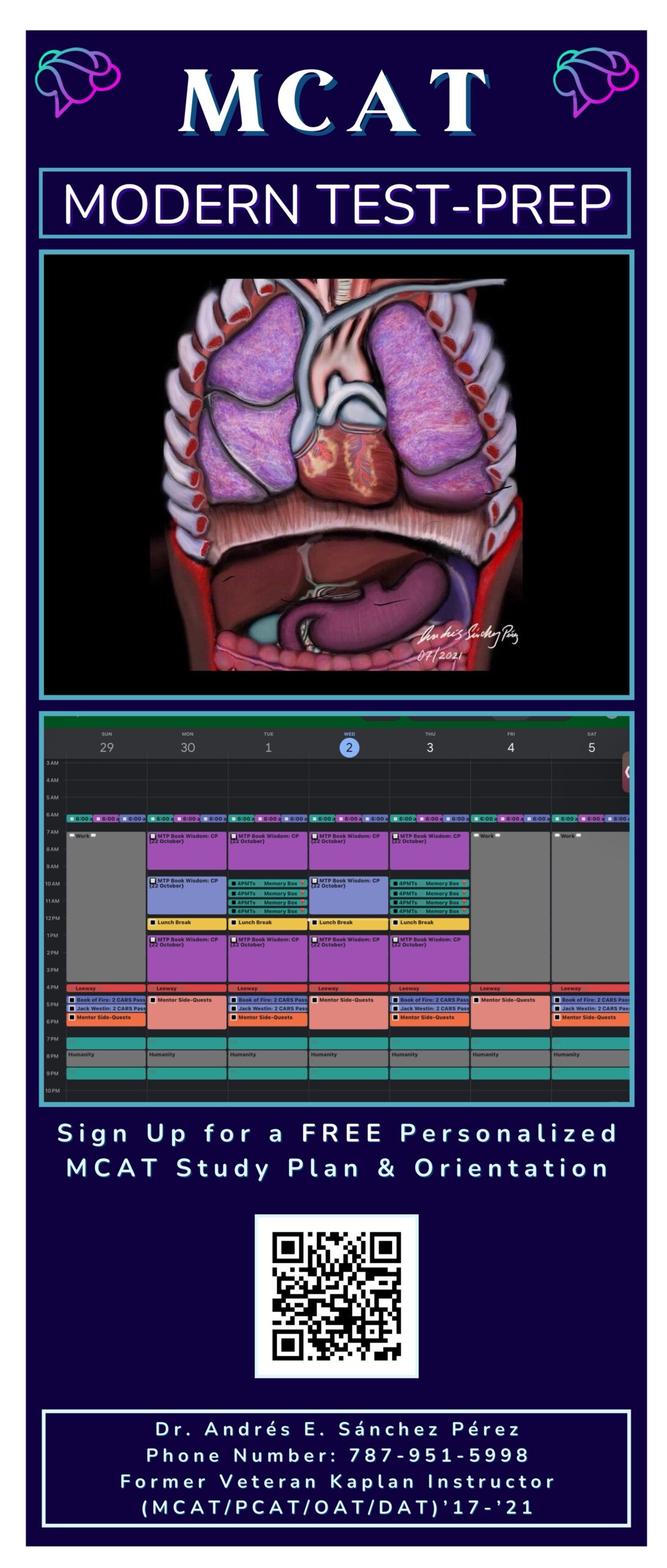
With your honest self-assessment complete, you are now ready to build a new, more effective study plan for 2024. Our framework simplifies this process into a few actionable steps.
Step 1: Re-prioritize Your Content
Based on your data analysis, create a new content schedule that is heavily weighted toward your weakest areas. If you struggled with organic chemistry, allocate more time to it. If you’re strong in physics, you can budget less time for review, focusing instead on targeted practice questions to maintain your skills. This strategic re-prioritization ensures you are using your time in the most high-yield way possible.
Step 2: Build a Balanced Schedule
A sustainable study schedule is not about cramming. It’s about finding a rhythm that works for you. Block out dedicated time for each subject, but also schedule in mandatory time for practice questions, full-length exams, and most importantly, review. A common mistake is to spend all your time on new content without a dedicated review period. The review is where the true learning happens.
Step 3: Integrate Time for Review and Rest
In your new schedule, build in at least an equal amount of time for reviewing a practice exam as you do for taking it. This is where you will use your “Error Log” (as discussed in our previous guide). Additionally, schedule regular, guilt-free breaks. A good plan includes both short breaks during study sessions and longer breaks on the weekends. Remember, rest is not a reward for hard work; it is a critical component of it.
Identifying and Overcoming Previous Obstacles
The past is a powerful teacher. The challenges you faced last year can provide a roadmap for your success this year. Let’s address some of the most common obstacles that pre-health students face and how to overcome them.
- The Procrastination Trap: Procrastination is often not a sign of laziness but a symptom of feeling overwhelmed. Break down your study tasks into smaller, more manageable chunks. Instead of “study biology,” your task should be “complete 20 flashcards on cellular respiration.” The Pomodoro Technique (25 minutes of work, 5 minutes of rest) is an excellent tool for getting started and maintaining momentum.
- Lack of Motivation: This is the most common reason for a study plan to fall apart. Reconnect with your “why.” Take a moment to revisit the core reason you want to become a healthcare professional. Write it down. When you feel unmotivated, look at it. You are not just studying for a test; you are building the foundation for your future career.
- Ineffective Study Methods: Many students fall into the trap of passive learning. Simply reading a textbook or watching a video will not lead to long-term retention. This year, commit to active learning. After watching a video, summarize the key concepts in your own words. When you read a chapter, try to explain a topic out loud to an imaginary student. These methods force your brain to engage with the material on a deeper level.
Incorporating New Study Techniques

This new year is the perfect time to experiment with evidence-based learning methods that are proven to improve retention and understanding.
- Active Recall: Instead of re-reading your notes, quiz yourself. The act of retrieving information from your memory strengthens the neural pathways and makes the information more accessible in the future. Use flashcards (digital or physical) or simply cover your notes and try to recite the main points.
- Spaced Repetition: This technique involves revisiting material at increasing intervals. Instead of cramming, you’ll review a concept today, then in three days, then in a week, then in a month. This prevents the forgetting curve and ensures that information moves from your short-term to your long-term memory. Digital flashcard apps like Anki are excellent tools for this.
- Interleaving: Instead of studying one subject for hours on end, mix different subjects during a single study session. For example, spend 30 minutes on organic chemistry, then switch to physics, then to a CARS passage. This forces your brain to constantly switch between topics and improves your ability to differentiate between concepts, a critical skill on test day.
- The Feynman Technique: Named after the Nobel Prize-winning physicist Richard Feynman, this technique is a powerful way to truly master a concept. Choose a topic, then try to explain it in simple terms as if you were teaching a child. If you get stuck, it means you have a gap in your understanding. Go back to your notes, fill the gap, and try again.
Setting Realistic 2024 Score Goals
Setting a goal is important, but it must be realistic to be motivating. Don’t just pick a number that you think sounds good.
- Analyze Your Baseline: Use your past practice exam scores as a starting point. Understand where you are now.
- Set an Incremental Goal: Instead of aiming for a monumental jump in score, set a more manageable, incremental goal. For example, “I want to increase my score by 5 points within the first two months.”
- Establish Milestones: Break your larger goal into smaller, weekly or monthly milestones. For example, “This month, I will master all of the genetics content,” or “This week, I will correctly answer 90% of the questions on kinetics.” These smaller victories will build confidence and keep you on track.
- Consult with an Expert: One of the best ways to set a realistic goal is to talk to someone who understands the exam. Your MTP mentor can help you analyze your current standing and create a personalized roadmap to an achievable score.
Leveraging MTP’s Resources for Your Reset
This reset is a fantastic opportunity to make full use of all the resources available to you. MTP’s personalized approach is designed to help you with every aspect of your preparation.
- 1-on-1 Tutoring: A mentor can help you create a personalized study plan that is tailored to your specific weaknesses and timeline. They provide accountability, answer your questions, and offer the strategic guidance you can’t get from a textbook.
- Progress Assessments: Our internal evaluation tools go beyond a simple score. They provide a detailed breakdown of your performance, identifying specific content areas and question types that are hindering your progress. This data-driven approach allows you to focus your efforts where they matter most.
- Community and Support: Connect with other MTP students. Share your struggles, celebrate your wins, and remember that you are part of a larger community of aspiring healthcare professionals.