How to Overcome Test Anxiety for MCAT, DAT, USMLE | Tips for Students in Puerto Rico
The journey to becoming a medical or dental professional is filled with high-stakes exams that can be a source of immense pressure. For many students, this pressure can manifest as test anxiety—a crippling feeling of fear and worry that undermines performance. This psychological barrier can turn months of diligent preparation into a nightmare on exam day. For students in Puerto Rico facing the MCAT, DAT, or USMLE, conquering this anxiety is as critical as mastering the content itself. This article provides evidence-based psychological and practical strategies to help you overcome test anxiety Puerto Rico and approach these crucial exams with calm and confidence.
Understanding Test Anxiety: It’s More Than Just Nerves

Test anxiety is not just a case of “exam-day jitters.” It’s a genuine psychological condition that affects both the body and mind. It can manifest in various ways, from physical symptoms like a racing heart, sweating, and shortness of breath to cognitive symptoms like blanking out, difficulty concentrating, and negative self-talk. It creates a feedback loop: the more anxious you feel, the less you perform, which in turn increases your anxiety for the next exam.
For students in Puerto Rico, this anxiety can be compounded by unique pressures, such as family expectations, a highly competitive local admissions environment, and the financial burden of these exams. Addressing these feelings requires a strategic, holistic approach that goes beyond simply reviewing flashcards.
Evidence-Based Strategies to Overcome Test Anxiety
Conquering test anxiety requires a two-pronged approach: mastering your mindset and perfecting your preparation.
1. Psychological Techniques: Rewiring Your Brain
This is about training your mind to respond differently to stress. These strategies should be practiced consistently in the weeks and months leading up to your exam.
Mindfulness and Deep Breathing
Mindfulness involves focusing on the present moment and observing your thoughts without judgment. When you feel anxiety building, deep breathing can immediately calm your nervous system.
- Practice: Before you begin a practice test or a difficult study session, take a few moments to focus on your breath. Inhale deeply through your nose for four seconds, hold for four seconds, and exhale slowly through your mouth for six seconds. Repeat this several times until you feel your body relax. This simple technique can be a powerful tool to use during the exam itself if you feel a panic moment approaching.
Cognitive Behavioral Therapy (CBT) Techniques
CBT-based strategies help you challenge and replace negative thought patterns with more realistic and positive ones.
- Challenge Negative Thoughts: Identify the irrational thoughts that fuel your anxiety, such as “I’m going to fail,” or “Everyone else is smarter than me.” Ask yourself if these thoughts are truly accurate. Replace them with positive affirmations, such as “I have prepared diligently, and I am ready to do my best.”
- Visualization: Visualize yourself successfully taking the exam. Picture yourself calm, focused, and confidently answering questions. Imagine the feeling of accomplishment as you walk out of the testing center. This mental rehearsal can prepare you psychologically for the real event.
2. Practical Strategies: Perfecting Your Routine
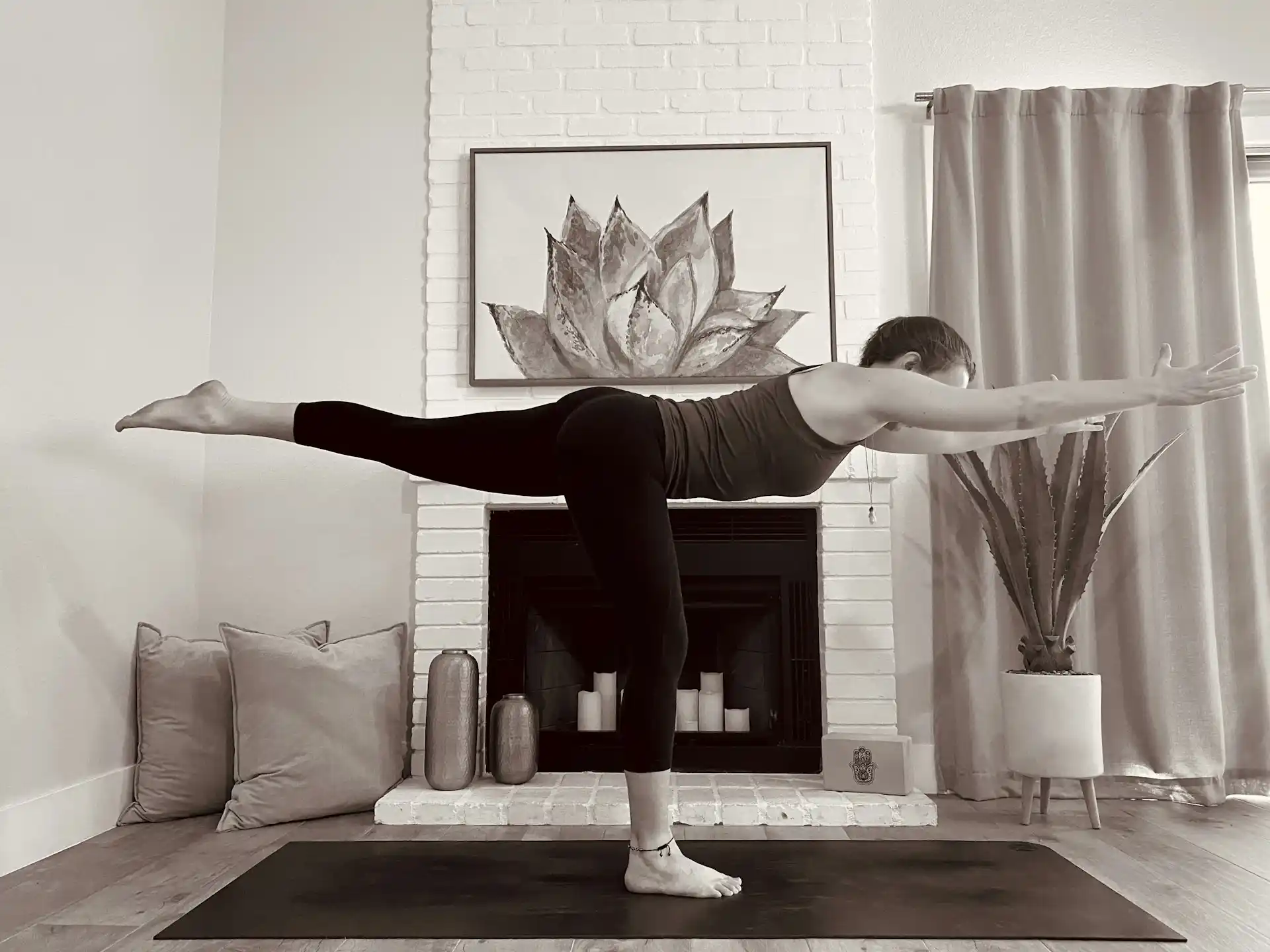
These are concrete actions you can take to build confidence and reduce variables on exam day.
Mastery Through Simulation
One of the biggest sources of anxiety is the fear of the unknown. The best way to combat this is through realistic simulation.
- Full-Length Practice Tests: Take a full-length practice exam under simulated test conditions at least once a week in the final month of your preparation. Do this at the same time of day as your actual exam. This builds mental and physical stamina, helps you manage your time effectively, and familiarizes you with the test’s format.
- Practice the Little Things: Don’t neglect small details. Practice taking breaks, eating a snack, and re-entering the test environment. This builds a routine that will feel comfortable and familiar on exam day.
Sleep, Nutrition, and Exercise
- Sleep: Prioritize seven to nine hours of sleep per night, especially in the week leading up to the exam. Pulling an all-nighter will only hurt your cognitive function and increase anxiety.
- Nutrition: Eat a balanced meal before the exam, avoiding heavy, high-sugar foods that can lead to a crash. Stay hydrated.
- Exercise: Regular physical activity is a proven stress reducer. Even a 20-minute walk or a quick workout can clear your mind and reduce tension.
Your body and brain need to be in optimal condition to perform. Neglecting these fundamentals will increase your anxiety and undermine your performance.
The Final Countdown: The Week Before the Exam
- Taper Your Studying: In the final days, shift from learning new material to reviewing your existing notes. Cramming at this point will only increase your anxiety.
- Scout the Location: If possible, visit the testing center in Puerto Rico a day or two before your exam. Know the route, where to park, and where the restroom and break areas are. This eliminates a major source of stress on exam day.
- Prepare Everything the Night Before: Lay out your clothing, gather your required IDs, and pack your snacks and water. This ensures you can wake up calm and focused, with a clear mind.
By combining psychological resilience with a meticulous practical approach, students in Puerto Rico can transform the stress of high-stakes exams into a powerful motivator. Your hard work in the classroom and the library deserves to be showcased without the burden of anxiety. By taking control of your mind and your preparation, you can confidently and calmly walk into your exam and perform at your highest potential.