The Importance of Clinical Experience for Medical School
For aspiring medical students in Puerto Rico, a strong academic record and a competitive MCAT score are essential pillars of your application. However, they are only part of the equation. Admissions committees in the mainland U.S. and on the island are looking for more than just scholars; they are looking for future physicians who understand the reality of a career in medicine. This is where clinical experience becomes not just a box to check, but a fundamental component of a compelling application.
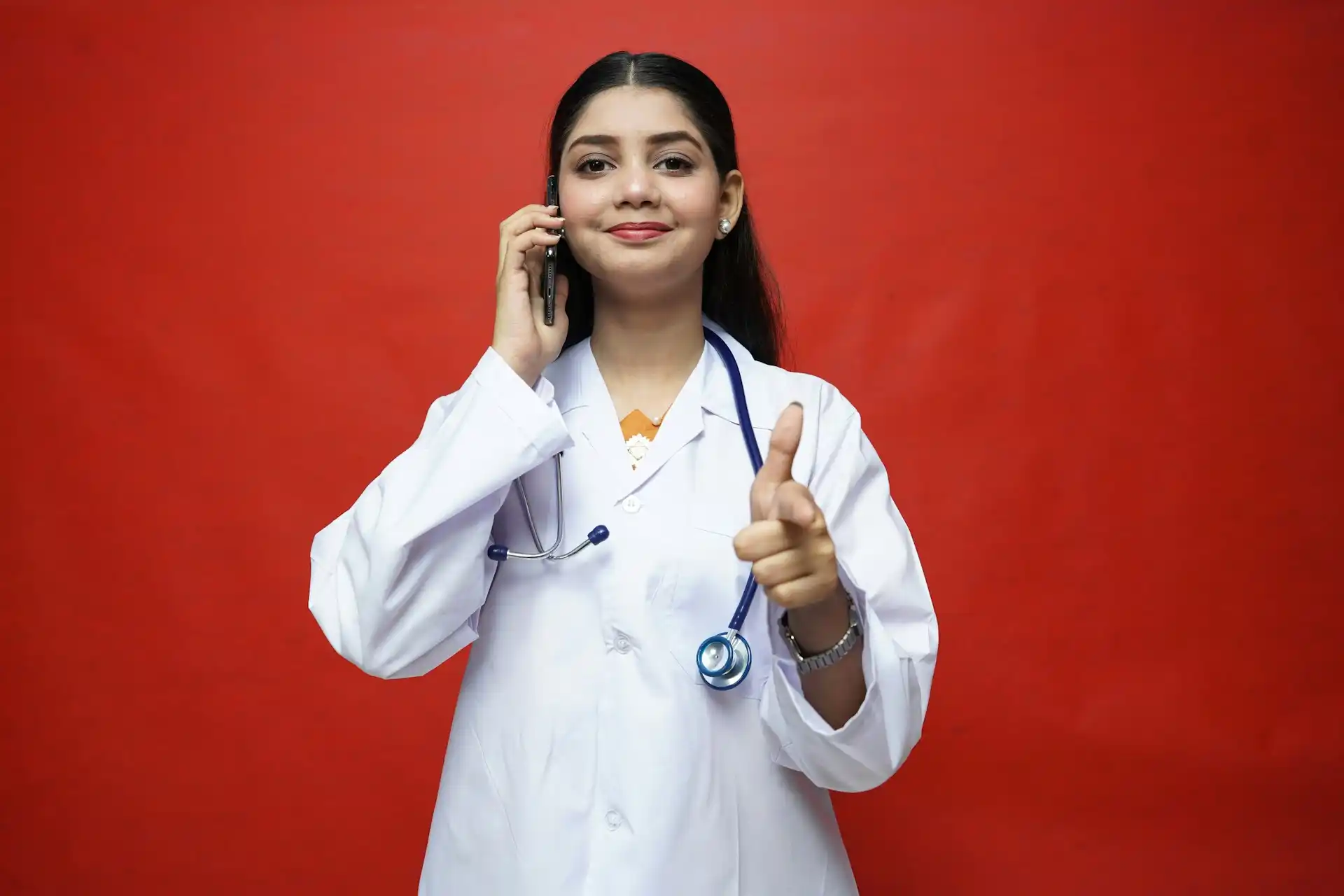
Engaging directly with patient care and the healthcare system demonstrates your commitment, exposes you to the realities of the medical field, and provides you with invaluable stories and insights that will shape your personal statement and interviews. For students from Puerto Rico, these experiences also offer a unique opportunity to highlight your understanding of the island’s specific healthcare landscape. This guide will explore why clinical experience is so critical, what opportunities are available to you in Puerto Rico, and how to effectively weave these experiences into your narrative.
Why Clinical Experience Matters to Admissions Committees
Admissions committees use clinical experience as a key metric to gauge your suitability for a career in medicine. They are investing in your training and want to be confident that you have a realistic understanding of the profession’s demands and rewards. Through these experiences, you prove that you are not just attracted to the idea of being a doctor, but to the actual work of caring for patients.
It shows you have tested your commitment. It’s one thing to say you want to help people; it’s another to spend your Saturdays volunteering in a clinic. This demonstrates follow-through and dedication. It provides context for your studies. Biochemistry becomes more meaningful when you’ve seen how a drug affected a patient. Anatomy becomes crucial when you understand its role in surgery. It develops essential soft skills. You learn to communicate with patients from all walks of life, work as part of a healthcare team, and navigate high-stress environments. It gives you authentic stories. The experiences you gather will form the backbone of your personal statement and provide compelling answers during interviews.
Types of Clinical Experiences Available in Puerto Rico
Puerto Rico offers a rich and diverse healthcare environment in which to gain experience. The key is to seek out roles that bring you into direct contact with patients.
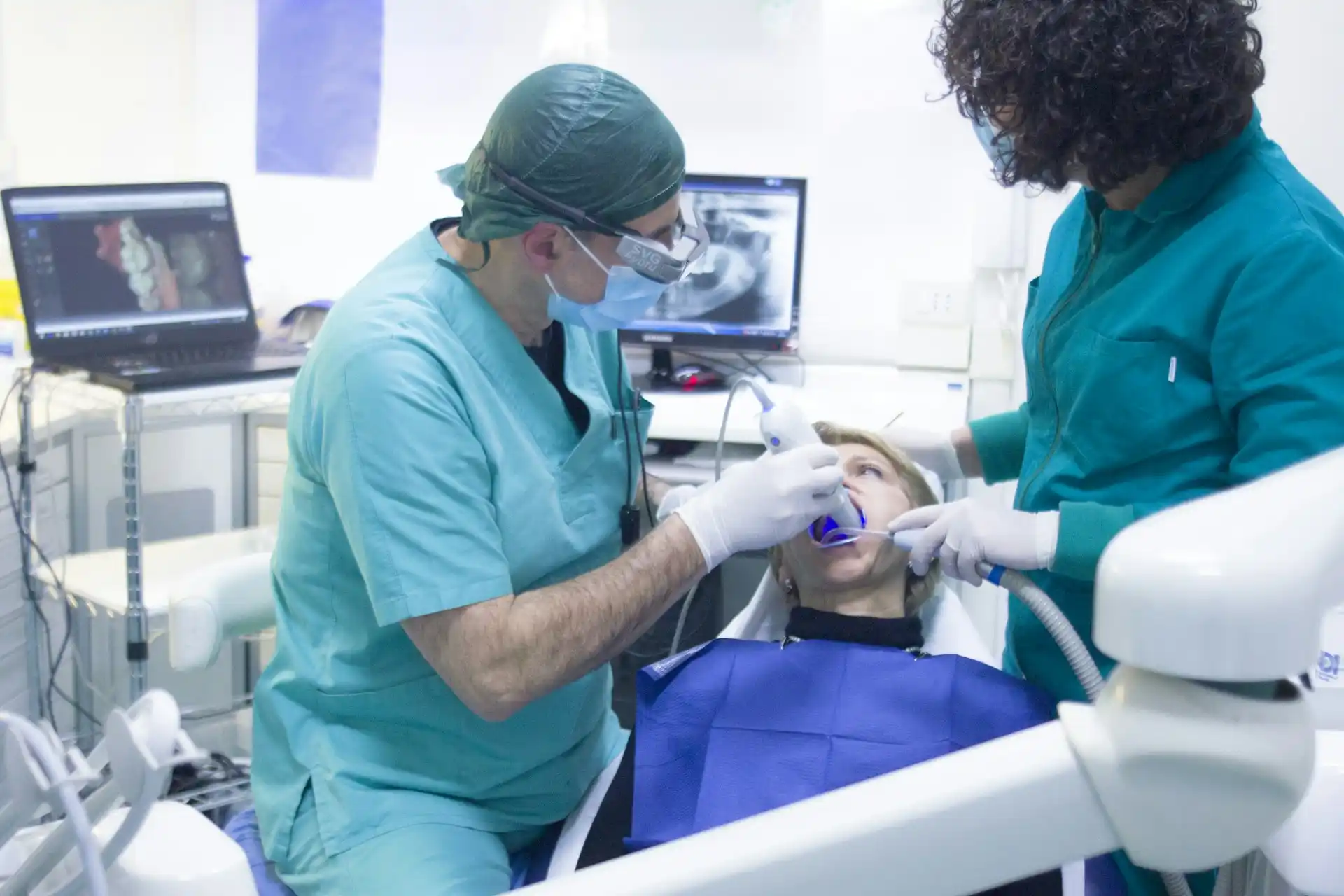
Clinical Shadowing: This involves following a physician throughout their workday. It is a passive but invaluable experience that allows you to observe the daily routines, challenges, and decision-making processes of a doctor. You can see different specialties and get a sense of where your own interests might lie.
Medical Volunteering: This is an active role where you contribute your time to a healthcare setting. This is often where you get the most direct patient interaction. Common places include hospital wards, emergency rooms, free clinics, and nursing homes. Your tasks might include transporting patients, assisting with paperwork, providing comfort, and supporting clinical staff.
Employment in a Clinical Setting: Some students work as medical scribes, EMTs, phlebotomists, or medical assistants. These roles require more training but provide a deep, immersive experience and a much more sophisticated understanding of patient care and medical documentation.
Finding Shadowing Opportunities with Local Physicians
Finding a physician to shadow can be one of the biggest challenges, but it is far from impossible.
Leverage Personal and University Networks: This is your most powerful tool. Start by asking your family doctor, specialists you or your family have seen, and your university’s pre-health advisor. Professors in your science departments may also have connections to physicians they can refer you to.
Contact Hospitals Directly: Larger hospitals like Centro Médico, Ashford Presbyterian, or Auxilio Mutuo may have formal observership or volunteer programs. Contact their volunteer services department to inquire about opportunities.
Be Professional and Persistent: When you contact a physician, be polite, professional, and clear about your goals. Send a concise email explaining who you are, that you are a pre-med student, and why you are interested in their specific specialty. Always follow up if you don’t hear back.
Volunteer Opportunities in Puerto Rican Healthcare Settings
Volunteering is often the most accessible way to get started.
Public Hospitals and Clinics: The Puerto Rico Department of Health and larger public hospitals often welcome volunteers. The process might be more formalized and require an application, background check, and health screenings.
Private Clinics and Non-Profit Organizations: Many private clinics and non-profits, especially those serving underserved communities, are grateful for volunteer help. Organizations like Americorps or local free clinics often have structured programs.
Community Health Fairs and Outreach Programs: Keep an eye out for health screenings and community outreach events. These are excellent opportunities to get a high volume of experience in a short time and to see community medicine in action.
Documenting and Reflecting on Your Experiences
Do not make the mistake of having an experience and forgetting to document it. Start a journal or a digital document from day one.
What to Record: Write down the date, hours, and location. Describe what you did and saw. Most importantly, reflect on what you learned. How did it make you feel? What surprised you? What confirmed your desire to be a doctor? Did you witness a specific interaction that taught you about empathy, communication, or resilience?
Why It Matters: This journal will be a goldmine when it comes time to write your application. It will provide specific, vivid anecdotes that bring your experiences to life, far beyond simply listing your hours on the application form.
Connecting Clinical Experience to Your Personal Statement
Your personal statement should tell a story of your journey to medicine. Your clinical experiences are the evidence that supports that story.
Instead of saying “I am compassionate,” describe a specific moment from your volunteer work that demonstrates that compassion. Instead of saying “I want to help people,” explain how watching a doctor deliver a difficult diagnosis with empathy showed you what that help truly looks like. Use your reflections from your journal to connect your experiences to your motivations. For example, you might discuss how volunteering in a clinic in a rural area of Puerto Rico showed you the healthcare disparities on the island and solidified your goal to return to serve your community.
Balancing Clinical Work with Academic Responsibilities
As with MCAT prep, balance is key. Your grades and MCAT score must remain your top priority.
Start Small: Begin with a few hours per week. You do not need hundreds of hours all at once. Consistency over a long period is more impressive and manageable than a frantic burst that causes your grades to slip.
Use Breaks Wisely: Summer vacation and holiday breaks are perfect times to intensify your clinical activities. You can volunteer more hours or dedicate a week to full-time shadowing without the pressure of classes.
Quality Over Quantity: Admissions committees would rather see 100 hours of meaningful, reflective engagement than 500 hours of passive, disconnected time. Make the hours you do have count by being fully present and engaged.
Cultural Considerations in Puerto Rican Healthcare
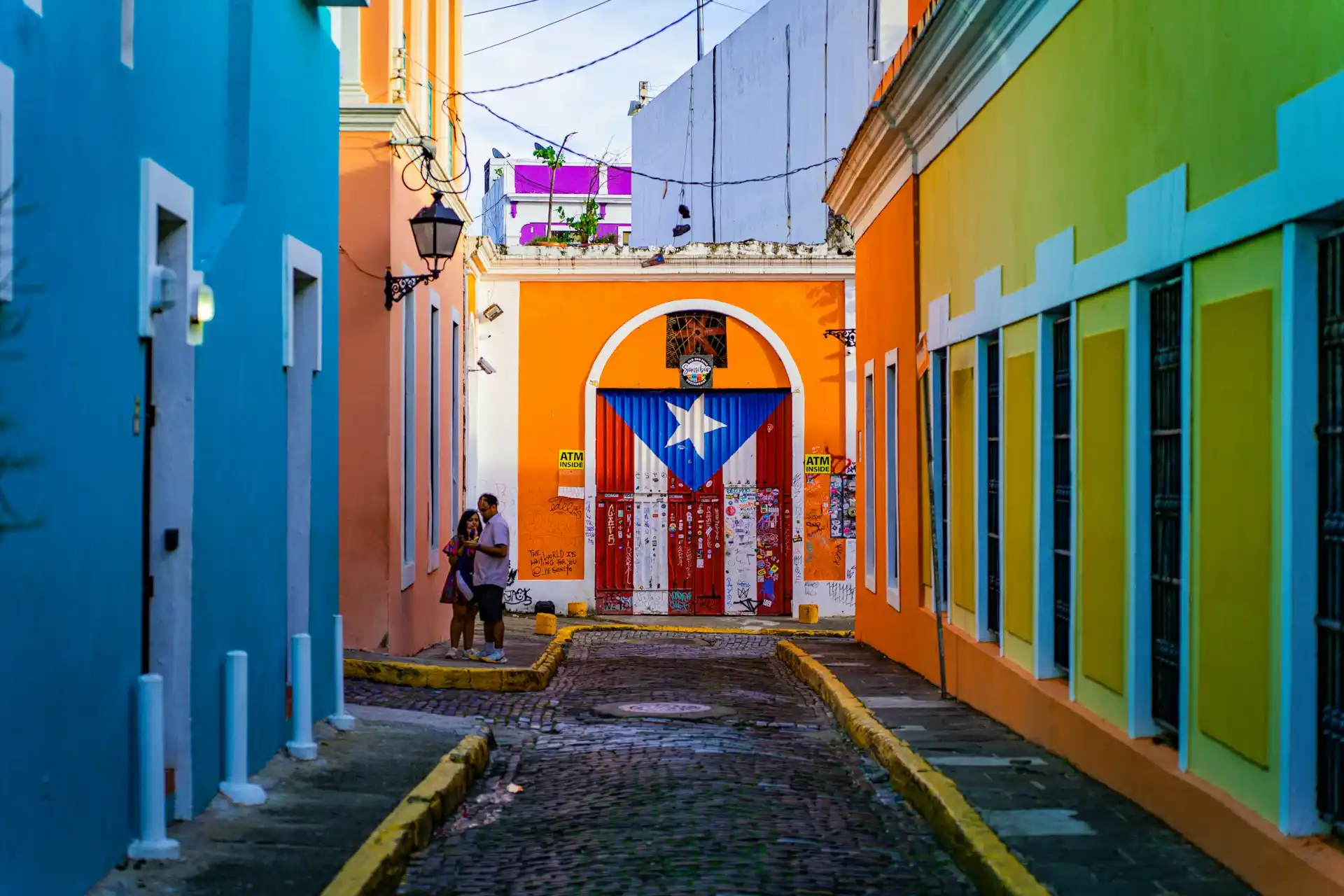
Your experience in Puerto Rico is a unique asset. The healthcare culture on the island is deeply influenced by its community-oriented values, language, and specific health challenges.
Pay attention to how doctors build rapport with patients. Notice the importance of family in decision-making. Observe how language and cultural nuances impact care. Demonstrating that you understand and have navigated this unique environment shows cultural competence—a trait highly valued by medical schools, especially those seeking to train doctors who will work with diverse populations.