The Foundation of Natural Sciences in Dental Education and Practice
A strong command of the natural sciences—biology, chemistry, and organic chemistry—is the bedrock of a successful career in dentistry. The Natural Sciences section of the Dental Admission Test (DAT) is designed to assess your fundamental knowledge in these areas. Your performance here not only impacts your admission to dental school but also lays the groundwork for the rigorous academic and clinical training ahead. Concepts such as molecular mechanisms of disease, pharmacological effects of drugs, and the chemical composition of dental materials all rely on a deep understanding of these core scientific principles. This guide provides a comprehensive framework to master the natural sciences and build a durable foundation for your future in dental medicine.
Cell Biology Essentials: Structure, Function, and Cellular Processes
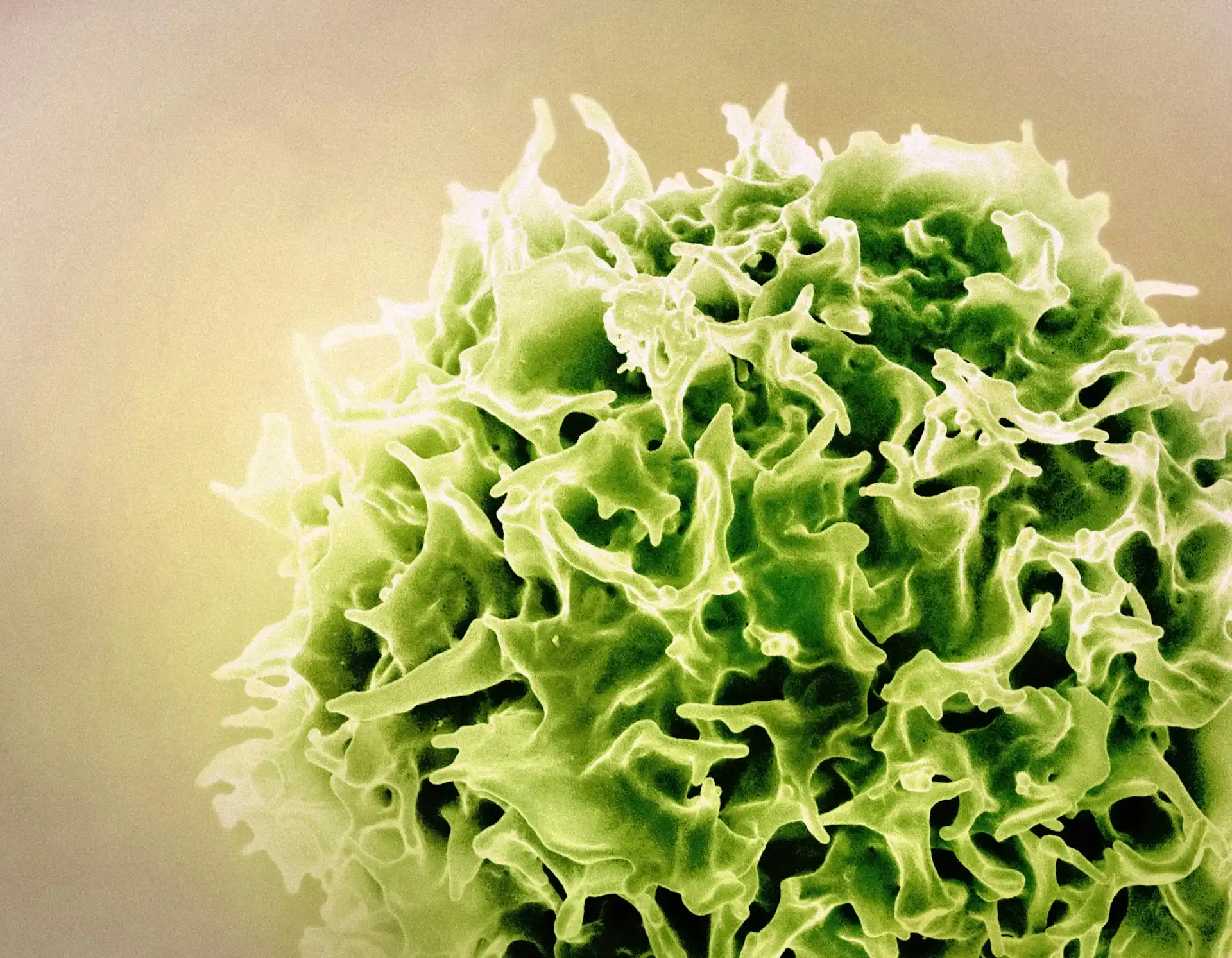
A thorough understanding of cell biology is crucial as it underpins all physiological and pathological processes.
- Organelles and Their Functions: Know the structure and role of key cellular components:
- Nucleus: Contains the cell’s genetic material (DNA) and controls cell growth and reproduction.
- Mitochondria: The “powerhouse” of the cell, responsible for ATP synthesis via cellular respiration.
- Endoplasmic Reticulum (ER): The site of protein and lipid synthesis. The rough ER is studded with ribosomes and synthesizes proteins, while the smooth ER synthesizes lipids and steroids.
- Golgi Apparatus: Modifies, sorts, and packages proteins and lipids for secretion or delivery to other organelles.
- Lysosomes & Peroxisomes: Lysosomes contain digestive enzymes to break down waste, while peroxisomes break down fatty acids and detoxify harmful substances.
- Cellular Processes:
- Cell Cycle: Understand the stages (G₁, S, G₂, M) and their regulation.
- Mitosis: The process of cell division for somatic cells, resulting in two identical daughter cells.
- Meiosis: The process of cell division for gametes, resulting in four haploid cells.
- Membrane Transport: Differentiate between passive transport (diffusion, facilitated diffusion, osmosis) and active transport (requiring energy, like the sodium-potassium pump).
Genetics & Molecular Biology: Inheritance Patterns and Molecular Mechanisms
This section tests your knowledge of how genetic information is stored, expressed, and inherited.
- Central Dogma of Molecular Biology: Master the flow of genetic information: DNA to RNA to protein.
- DNA Replication: The process by which DNA is duplicated. Know the enzymes involved, such as helicase and DNA polymerase.
- Transcription: The synthesis of an RNA molecule from a DNA template.
- Translation: The synthesis of a polypeptide chain from an mRNA template.
- Mendelian Genetics: Be able to solve problems involving monohybrid and dihybrid crosses. Understand concepts like dominant/recessive alleles, genotype, phenotype, and Punnett squares.
- Inheritance Patterns: Differentiate between autosomal dominant, autosomal recessive, X-linked dominant, and X-linked recessive inheritance.
Anatomy & Physiology: Systems Overview with Dental Applications
While the DAT’s focus is on fundamental biology, a systems-level understanding is essential, especially with connections to oral health.
- Skeletal System: Understand the major bones of the human body, with a specific focus on the skull and mandible. This knowledge is directly applicable to dental anatomy and orthodontics.
- Digestive System: Know the pathway of food from the oral cavity to the large intestine. The oral cavity is the first point of mechanical and chemical digestion, a key focus for dentists.
- Nervous System: Understand the basic structure and function of the central and peripheral nervous systems. This knowledge is vital for understanding pain pathways, nerve blocks, and oral sensation.
- Circulatory System: Know the components of blood and the path of blood flow through the heart and body. This is relevant to understanding bleeding control and the systemic effects of oral infections.
Stoichiometry & Solutions: Chemical Calculations and Properties
Chemistry is a cornerstone of the DAT, and these quantitative skills are vital for practical applications in dentistry.
- Stoichiometry: Be able to calculate molar mass, convert between grams and moles, and use mole ratios from a balanced chemical equation to solve for reactants or products.
- Solutions: Understand concepts like molarity, molality, and dilution. Be able to calculate solution concentrations, which is essential for preparing and using chemical agents in a dental office.
- Titrations: Know how to solve for the unknown concentration of an acid or base using a titration curve and indicator.
Acid-Base Chemistry: Principles and Biological Applications
Acid-base chemistry is pervasive in biological systems, including the oral cavity.
- pH & pKa: Understand the definitions and how they are related. A low pH indicates high acidity, while a high pH indicates high alkalinity. The pKa is the pH at which half of the acid has dissociated.
- Buffers: Know what a buffer is and how it resists changes in pH. The bicarbonate buffer system is a key physiological example. In dentistry, pH balance is critical for preventing demineralization of tooth enamel caused by bacterial acids.
Thermodynamics & Kinetics: Energy Changes and Reaction Rates
These concepts from general chemistry are vital for understanding the energetics and speed of biological and chemical reactions.
- Thermodynamics:
- Enthalpy (ΔH): The heat absorbed or released in a reaction.
- Entropy (ΔS): The measure of disorder or randomness.
- Gibbs Free Energy (ΔG): The energy available to do work. A negative ΔG indicates a spontaneous reaction.
- Kinetics: The study of reaction rates. Understand factors that influence the rate of a reaction, such as temperature, concentration, and the presence of a catalyst (like an enzyme). This is relevant to the setting of dental materials and the speed of biochemical reactions in the body.