Building a Strong Medical School Application: Extracurriculars for Puerto Rican Pre-Meds
When a student decides to pursue a career in medicine, the immediate focus is almost always on two things: a stellar GPA and a high MCAT score. While these academic metrics are undeniably essential, they represent only one part of a successful medical school application. In an increasingly competitive landscape, admissions committees are looking for more than just intellectual ability; they want to see a genuine commitment to medicine, a compassionate heart, and the personal qualities that make for a great physician. For aspiring doctors in Puerto Rico, understanding the importance of medical school extracurriculars Puerto Rico is the key to building a compelling and unique profile that stands out from the crowd.
Medical schools use a “holistic review” process, meaning they evaluate applicants based on a wide range of factors, not just grades and test scores. Your extracurricular activities are the canvas on which you paint a vivid picture of who you are beyond the classroom. They demonstrate your leadership, empathy, resilience, and your motivation for a life of service. The question isn’t whether you should do extracurriculars, but how to choose and commit to the right ones.
The Pillars of a Compelling Application

A strong application is typically built on four main pillars of extracurricular involvement. While it is not necessary to excel in all of them, showing sustained, meaningful commitment in at least two or three of these areas is critical.
Clinical Experience: The Non-Negotiable Pillar
Gaining direct clinical experience is not just a suggestion; it’s a fundamental requirement. Admissions committees want to see that you understand the realities of working with patients and that your passion for medicine is rooted in direct, hands-on experience. This is where you confirm that medicine is the right path for you.
Volunteering in a Clinical Setting
This is the most common way to get started. Seek out opportunities in hospitals, clinics, or nursing homes. Your role might be simple, such as transporting patients, answering phones, or helping with administrative tasks. What matters is the exposure.
- Examples in Puerto Rico: Look for volunteer programs at major hospitals like Centro Médico in San Juan, Hospital Auxilio Mutuo, or Damas Hospital in Ponce. Contacting community health centers or smaller clinics in your municipality can also yield valuable opportunities.
Shadowing a Physician
Shadowing allows you to observe physicians firsthand as they interact with patients, make decisions, and navigate the healthcare system. It provides invaluable insight into the daily life of a doctor.
- How to Secure an Opportunity: Reach out to doctors in your network, family friends, or a doctor you see yourself. Many physicians are willing to mentor motivated students. Showing a genuine interest in their specific field can make a difference.
Research Experience: Demonstrating Scientific Inquiry
Medicine is built on a foundation of scientific discovery. Engaging in research, whether in a lab or a clinical setting, shows that you are a scientifically curious thinker who can contribute to the advancement of medicine.
Getting Started in a Lab
For many pre-med students, the first step is working as a volunteer lab assistant. You might not be running your own experiment, but you’ll learn key lab techniques, contribute to a larger project, and gain a deeper understanding of the scientific process.
- Examples in Puerto Rico: The UPR pre-med program, particularly at the Río Piedras and Mayagüez campuses, has a strong emphasis on research. Talk to your professors about their ongoing projects or summer research programs (e.g., RISE, MARC).
Presenting or Publishing Your Work
If you are fortunate enough to work on a project that leads to a poster presentation at a conference or a publication in a journal, this is a significant highlight for your application. It shows a sustained and impactful contribution to science.
Volunteer/Service Work: The Compassionate Heart
Beyond clinical experiences, medical schools want to see that you are an empathetic and service-oriented individual. Non-clinical volunteering demonstrates your commitment to your community and to helping others, which are core tenets of medicine.
Community Service
This can be anything from volunteering at a local homeless shelter, food bank, or after-school program. The key is to find something you are passionate about and to stick with it over a long period.
- Examples in Puerto Rico: Consider opportunities to help with local initiatives, such as disaster relief efforts (especially given the island’s vulnerability to hurricanes), working with community health fairs, or assisting local non-profits.
Global Health and International Service
While not a requirement, participating in service trips or global health initiatives can show your interest in health disparities and broader public health issues. Your experiences as a bilingual student from Puerto Rico can be especially valuable in these contexts.
Leadership & Other Activities: The Well-Rounded Individual
Medical school is not just about memorizing facts; it’s about leading a healthcare team and working collaboratively. Activities that demonstrate leadership, teamwork, and personal interests are crucial for showing you are a well-rounded and mature applicant.
Leadership Roles in Clubs
Taking on an officer position in a pre-med club, a student organization, or a sports team shows your ability to take initiative and work with others.
- Examples: Serving as President of your university’s Pre-Med Society, leading a study group, or organizing a volunteer event demonstrates leadership.
Hobbies and Unique Interests
Don’t be afraid to include hobbies like playing an instrument, running marathons, or practicing photography. These activities show that you are a multifaceted person with interests outside of medicine, which can make you a more interesting and relatable interview candidate.
Quality Over Quantity: Making Your Experiences Count
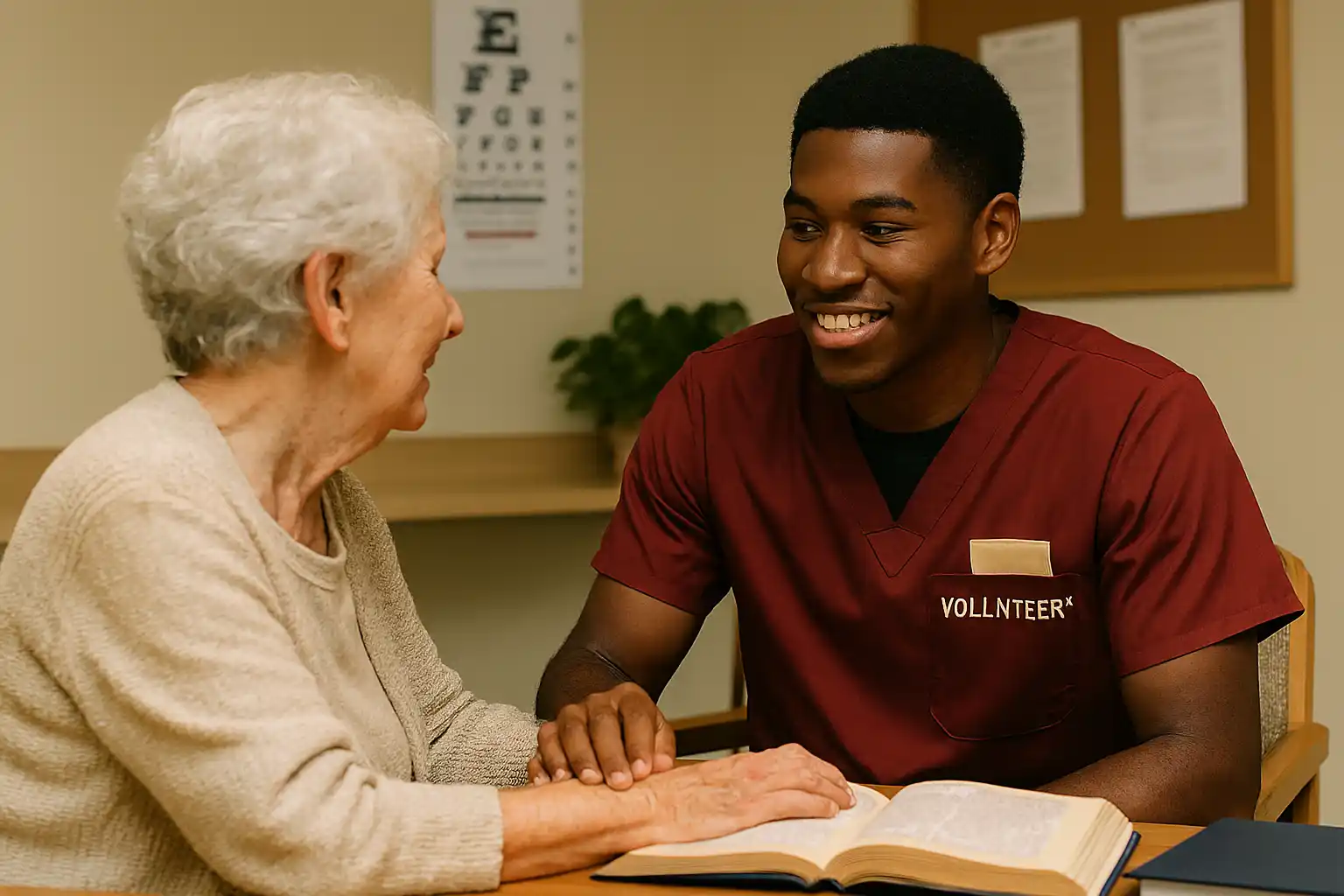
One of the biggest mistakes pre-meds make is trying to do everything. Admissions committees prefer to see a few sustained, long-term commitments rather than a long list of one-off activities. A student who has spent three years as a volunteer at a single clinic tells a more compelling story than a student who has completed a dozen short-term activities. Choose activities that genuinely interest you and that you can commit to for an extended period.
Documenting Your Experiences Effectively
The AMCAS (American Medical College Application Service) application has a dedicated section for your work and activities, where you can list up to 15 different experiences. How you describe them is as important as the experiences themselves.
The Art of the Narrative
- Show, Don’t Just Tell: Instead of just listing your duties, focus on the impact you had and what you learned. Use active verbs and specific examples.
- The “Most Meaningful” Section: AMCAS allows you to designate up to three activities as “most meaningful.” Use these sections to tell a powerful story about your growth, commitment, and what solidified your desire to become a doctor. This is where your deep commitment and personal reflection truly shine.
Your journey to medical school from Puerto Rico is unique and personal. Your medical school extracurriculars Puerto Rico are the narrative of that journey. By thoughtfully choosing activities that align with your passions and committing to them with depth and sincerity, you can build an application that tells a story of a future physician—one who is not only intelligent but also empathetic, resilient, and dedicated to serving others.