Medical School Timeline Guide for Pre-Med Students in Puerto Rico

The dream of becoming a doctor is a noble pursuit, filled with dedication, rigorous study, and profound personal growth. For aspiring physicians in Puerto Rico, navigating the complex journey from a pre-med undergraduate to a medical school white coat requires meticulous planning and strategic execution. It’s a multi-year marathon, not a sprint, and understanding the medical school timeline Puerto Rico is crucial for optimizing your chances of success. This comprehensive guide will break down the essential steps, year by year, from your freshman undergraduate year to the glorious moment of medical school acceptance, specifically tailored for students within the Puerto Rican academic landscape.
The Foundation: Freshman Year (Year 1 of Undergraduate Studies)
Your first year of university is not too early to start thinking about medical school. This year is all about establishing a strong academic foundation and beginning to explore your interests.
Coursework and Academic Excellence
Focus on excelling in your introductory science courses. These typically include:
- General Biology (Biology I & II with labs)
- General Chemistry (Chemistry I & II with labs)
- Calculus or Statistics (depending on your university’s recommendations)
- First-year English composition
Tip: A strong GPA right from the start is paramount. These early science grades set the tone for your academic record.
Extracurricular Activities: Early Exploration
While extensive clinical experience isn’t expected yet, this is an excellent time to:
- Join pre-med clubs: Connect with upperclassmen, learn about opportunities, and gain insights.
- Volunteer: Seek out non-clinical volunteer opportunities that align with your passions. This demonstrates commitment and a well-rounded personality.
- Shadowing (Optional but Recommended): If opportunities arise, even a few hours of shadowing can provide early exposure to the medical field.
Building the Profile: Sophomore Year (Year 2 of Undergraduate Studies)
Sophomore year is where your pre-med profile truly begins to take shape. You’ll delve deeper into foundational sciences and expand your extracurricular involvement.
Core Pre-Med Coursework
Continue building your science prerequisites:
- Organic Chemistry (Organic Chemistry I & II with labs)
- Physics (Physics I & II with labs)
- Introduction to Psychology and Sociology (if not already taken, these are crucial for the MCAT’s P/S section)
Tip: These courses are often considered “weed-out” classes. Seek help early if you struggle, and consider forming study groups.
Deepening Extracurriculars and Clinical Exposure
This is the year to actively seek out meaningful experiences:
- Clinical Volunteering: Begin accumulating hours in healthcare settings. This could be in hospitals, clinics, nursing homes, or hospices. The goal is direct patient interaction.
- Research: Look for opportunities to get involved in research, even if it’s just basic lab work. This demonstrates scientific curiosity and critical thinking. Many UPR pre-med programs have robust research opportunities.
- Leadership Roles: Take on leadership positions within your clubs or volunteer organizations.
The Pivotal Year: Junior Year (Year 3 of Undergraduate Studies)
Junior year is arguably the most critical period in your medical school timeline Puerto Rico. It’s when you’ll tackle the MCAT and prepare for the application cycle.
Advanced Coursework and MCAT Preparation
- Upper-Level Biology: Biochemistry, Genetics, Cell Biology, or Physiology are excellent choices and provide strong preparation for the MCAT.
- MCAT Prep: This is the year to prepare for and take the MCAT.
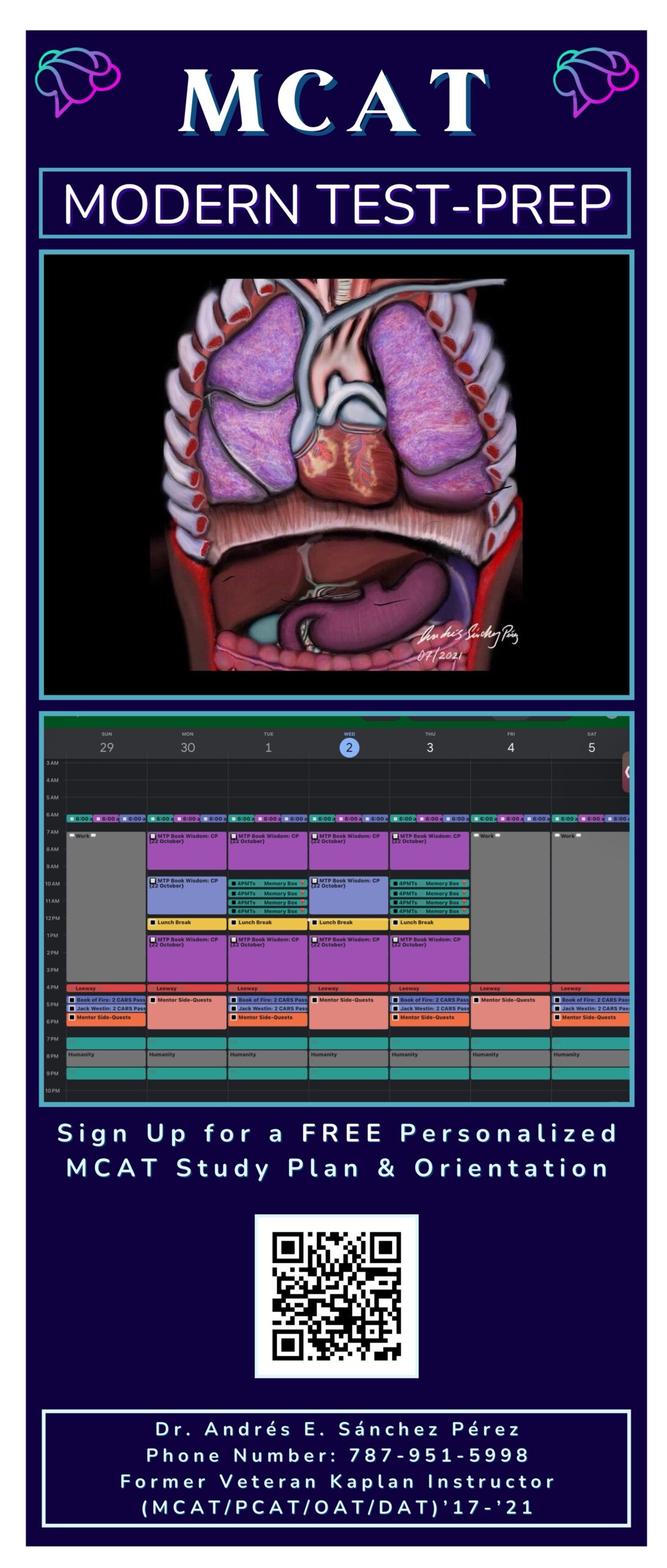
- Study Plan: Develop a structured MCAT prep schedule that spans 3-6 months. Consider a test prep mentorship in Puerto Rico for personalized guidance.
- Practice Tests: Incorporate full-length practice tests regularly to build stamina and identify weak areas.
- Target Test Date: Aim to take the MCAT in the spring (January-April) of your junior year. This allows time for a retake if necessary before the application cycle opens.
Continued Extracurricular Engagement
- Intensify Clinical and Research Experience: Aim for significant hours and potentially a publication or presentation in research.
- Shadowing: Continue to shadow different specialties to broaden your understanding of medicine.
- Leadership and Service: Maintain leadership roles and engage in sustained service activities.
Identifying Letter of Recommendation Writers
Start building relationships with professors and supervisors who can write strong letters of recommendation for your medical school application.
The Application Cycle: Senior Year (Year 4 of Undergraduate Studies)
Senior year is dedicated to the meticulous process of applying to medical school. This is where all your hard work comes to fruition.
Early Spring/Summer (Before Senior Year)
- Final MCAT (if needed): If you need to retake the MCAT, do so early in the summer before the application cycle opens.
- AMCAS/AACOMAS/TMDSAS Application Opens: These centralized application services typically open in early May/June.
- Draft Personal Statement: Begin drafting your compelling personal statement that articulates your motivations for medicine.
- Enter Experiences: Carefully input all your extracurricular activities, clinical experiences, research, and volunteer work with detailed descriptions.
- Request Letters of Recommendation: Ensure all your letter writers have submitted their letters to the appropriate service (e.g., Interfolio, AMCAS Letter Writer Application).
- Submit Primary Application: Aim to submit your primary application as early as possible in June. “Early” is key for a rolling admissions process.
Summer/Fall (Senior Year)
- Secondary Applications: Once your primary application is verified, medical schools will send out secondary applications. These are school-specific essays and questions.
- Respond Promptly: Aim to complete and submit secondaries within 1-2 weeks of receiving them.
- Medical School Interviews: Interview invitations typically start rolling out in late summer and continue through winter.
- Practice: Prepare for interviews by practicing common questions and engaging in mock interviews.
- Research Schools: Be thoroughly familiar with each school you interview at.
Fall/Winter (Senior Year)
- Continue with Courses & Extracurriculars: Maintain your academic performance and involvement. Medical schools will see your final transcripts.
- Interview Season: Travel for interviews and put your best foot forward.
Spring (Senior Year)
- Acceptances and Waitlists: Acceptance offers typically begin rolling out in late winter and early spring.
- Financial Aid: Begin exploring financial aid options and scholarships.
- Making a Decision: Choose the medical school that best fits your goals and values.
Gap Year Considerations
Many students, including those in Puerto Rico, opt for a “gap year” between undergraduate studies and medical school. This can be a highly beneficial strategy.
Why Take a Gap Year?
- Improve GPA/MCAT: If your scores aren’t where you want them, a gap year provides time for dedicated study or post-baccalaureate programs.
- Gain More Experience: Accumulate more clinical, research, or volunteer hours to strengthen your application.
- Personal Growth: Pursue personal interests, work, or travel to gain valuable life experience.
- Avoid Rushing: A gap year allows you to apply when you feel truly ready, rather than rushing the process.
How to Use a Gap Year Effectively
- Meaningful Activities: Engage in activities that genuinely enhance your application or demonstrate your commitment to medicine.
- Continue Learning: Stay intellectually engaged, whether through coursework, independent study, or professional development.
- Reflect and Refine: Use the time to reflect on your journey and refine your application essays.
Specific Considerations for Puerto Rican Students
While the general timeline applies broadly, students in Puerto Rico have unique advantages and considerations.
UPR Pre-Med Programs
Many students attend the University of Puerto Rico (UPR) system, which has strong pre-medical advising and curricula. Leverage these resources:
- Pre-Med Advisors: Work closely with your university’s pre-med advisors from day one. They are invaluable resources for course planning, letter of recommendation strategies, and understanding application nuances for schools within and outside Puerto Rico.
- Research Opportunities: UPR campuses often have robust research programs. Seek out faculty members for research positions early.
Applying to Medical School in Puerto Rico
- University of Puerto Rico School of Medicine (UPR-SOM): This is a highly competitive program. Familiarize yourself with their specific requirements and application process early.
- Ponce Health Sciences University (PHSU) & San Juan Bautista School of Medicine (SJBSM): These are other excellent options on the island. Each has its own unique mission and application focus.
- Caribbean Medical Schools: Some students also consider other Caribbean medical schools, but research their accreditation carefully.
Bilingualism and Cultural Competence
Your bilingualism (Spanish/English) and cultural competence are significant assets. Highlight these strengths in your applications and interviews, especially if you plan to serve diverse patient populations.
Key Takeaways for Success
- Start Early: Proactive planning from freshman year is crucial.
- Maintain Academic Excellence: Your GPA and MCAT score are foundational.
- Seek Meaningful Experiences: Quality and depth of extracurriculars matter more than quantity.
- Build Relationships: Strong letters of recommendation come from genuine connections.
- Apply Strategically and Early: Optimize your chances in the rolling admissions process.
- Utilize Resources: Leverage pre-med advisors, mentors, and university support systems.
The journey to becoming a doctor is challenging but incredibly rewarding. By understanding and meticulously following this medical school timeline Puerto Rico, you can systematically build a compelling application that stands out, paving your way from a hopeful pre-med student to a future physician.